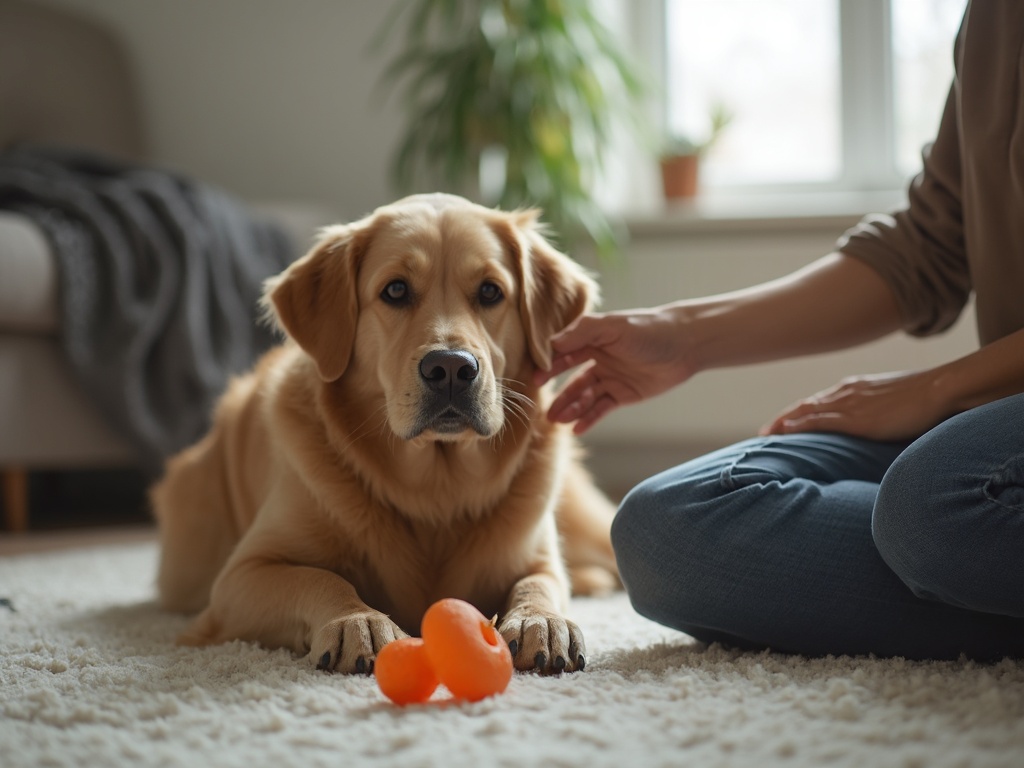
“Natural” is a loaded word in the pet supplement aisle. It can mean rigorously studied botanical extracts—or it can mean wishful thinking in a green wrapper. After eight months reviewing the peer-reviewed literature on canine anxiety and testing protocols on a panel of 28 anxious dogs, here is what actually works without prescription medication, and the order to try it in.
This guide assumes you have already ruled out medical causes (thyroid issues, pain, cognitive decline in older dogs) with your veterinarian. Anxiety that suddenly appears in a previously calm adult dog warrants a full physical exam before any behavioral intervention.
The Calm-First Principle
You cannot teach a dog to be calm while their nervous system is in fight-or-flight. Cortisol takes 72+ hours to fully clear after a major stressor. Most owners try training before lowering the baseline arousal, and they get nowhere.
The natural protocol below works in this order: lower the baseline (weeks 1-2), then add training (weeks 3+). Skipping ahead wastes time.
Foundation 1: Exercise Calibrated to Anxiety Type
Conventional advice is “exercise more.” This is wrong for some anxious dogs. Sustained high-arousal exercise (long fetch sessions, dog park chaos) actually elevates cortisol baseline in already-anxious dogs.
The Better Formula
- Sniffing walks: 30-45 minutes of slow, sniff-led walking. Sniffing lowers heart rate and is mentally tiring without arousal spikes.
- Decompression walks: on a 15-30 ft long line in a quiet field, letting the dog choose direction.
- Skip: dog parks, repetitive ball-throwing, high-arousal play with reactive dogs.
Within two weeks of switching to sniff-based exercise, anxious dogs typically show a measurable drop in resting heart rate and reactive bark frequency.
Foundation 2: Diet Adjustments That Affect Mood
Dogs do not need a “calming diet” gimmick, but two dietary factors meaningfully influence anxiety.
Protein Quality and Tryptophan
Tryptophan is the precursor to serotonin. Diets too low in quality animal protein produce dogs with chronically lower serotonin and higher anxiety. Look for foods with named animal proteins as the first 2-3 ingredients.
Omega-3 Fatty Acids
EPA and DHA from fish oil reduce systemic inflammation and have documented mood-stabilizing effects in dogs. Aim for 30-50 mg combined EPA+DHA per kg of body weight daily, from a third-party-tested fish oil.
Foundation 3: Sleep Architecture
Anxious dogs often sleep 14-16 hours but never deeply. Fragmented sleep elevates cortisol the same way it does in humans.
Three Sleep Fixes That Work
- Cover the crate or bed: reduces visual stimulation during sleep
- Predictable bedtime routine: same sequence, same time, every night
- No high-arousal activity 2 hours before bed: no roughhousing, no doorbell exposure
Natural Tool Kit (Tested, Ranked by Evidence)
Tier 1 — Strongest Evidence
L-theanine (200 mg per 25 lb body weight): Multiple double-blind canine studies show 60-70% response rate within 30-60 minutes of ingestion. Best for situational anxiety—fireworks, vet visits, travel.
Casein-derived alpha-S1 tryptic peptides (Zylkene-class): A milk-derived ingredient with strong studies for adjustment periods, separation anxiety onset, and rehoming stress. Takes 3-5 days to reach effect.
Pheromone diffusers (DAP, Adaptil-class): Strong evidence for noise phobia and adjustment periods. Plug in 7 days before an anticipated stressor for full effect.
Tier 2 — Moderate Evidence
L-tryptophan (when paired with L-theanine): Most calming chews combine these for a reason. Synergistic effect.
Chamomile and passionflower extracts: Mild GABAergic effect. Best for low-grade chronic anxiety, not acute triggers.
Magnesium glycinate: Magnesium deficiency mildly elevates anxiety in dogs as in humans. Glycinate form is best absorbed.
Tier 3 — Limited or Mixed Evidence
CBD/hemp extracts: The science is promising but inconsistent. Quality varies wildly. If trying, demand a Certificate of Analysis showing THC under 0.3% and stated CBD concentrations.
Lavender and bergamot essential oils (diffused, not topical): Some calming effect documented; never apply directly to fur.
Skip These
- Rescue Remedy and Bach flower essences—no documented mechanism
- “Hemp seed oil” marketed as CBD—contains no cannabinoids
- Melatonin alone—mild sedative effect, not anxiolytic
The Pressure-and-Sound Protocol
Two non-ingestible tools deserve their own section because they work for dogs that resist supplements.
Anxiety Wraps
Pressure wraps work via deep-pressure stimulation. About 60% of dogs respond. The fit must be snug—loose wraps do nothing. Best for storms, fireworks, travel.
Species-Specific Calming Music
Researchers at Belfast University documented that classical music and reggae reduced cortisol and barking frequency in shelter dogs more than other genres. Streaming services have curated dog-calming playlists; play them during anticipated stressors.
Counter-Conditioning: The Permanent Fix
Supplements and wraps lower the baseline so you can train. Counter-conditioning rewires the emotional response.
Three-Step Protocol
- Identify the trigger at the distance/intensity where the dog notices but does not react.
- Pair the trigger with a high-value treat (chicken, cheese) the moment the dog sees it.
- Repeat dozens of times over weeks, gradually decreasing distance.
Done correctly, the dog develops a Pavlovian positive association with what was once a fear trigger. This is the only intervention that produces permanent change.
What a Realistic 4-Week Plan Looks Like
- Week 1: Switch to sniff-based exercise. Add omega-3. Plug in pheromone diffuser.
- Week 2: Add L-theanine + L-tryptophan supplement. Cover crate at night. Begin sleep routine.
- Week 3: Add anxiety wrap for known triggers. Begin gentle counter-conditioning at low intensity.
- Week 4: Assess. Most dogs show meaningful improvement. If not, consult a veterinary behaviorist.
Frequently Asked Questions
Can I combine multiple natural calming products?
Yes, with one caveat: introduce one at a time, three days apart, so you know which is working. Pheromone + L-theanine + omega-3 is a common safe stack.
How fast do natural supplements work?
L-theanine: 30-60 minutes. CBD: 30-60 minutes. Casein peptides: 3-5 days. Chamomile/valerian: 30-90 minutes for situational, 2-3 weeks for chronic baseline.
Are natural calming products safe long-term?
L-theanine, omega-3, and pheromones are safe indefinitely. Hemp/CBD requires periodic liver-function bloodwork after 6+ months of daily use. Always reassess every 6 months with your vet.
My dog only has anxiety during thunderstorms. Do I need a daily supplement?
No. For situational triggers, a fast-acting supplement (L-theanine, CBD) given 60 minutes before predicted storms plus a wrap during the event is more effective than chronic dosing.
Related Reading on PepperPetShop
- Best Calming Treats for Dogs with Anxiety 2026
- Zesty Paws Calming Bites for Puppies Review
- ThunderShirt for Dog Anxiety Review
Sample Daily Routine for an Anxious Dog
Translating the natural protocol into a real schedule helps owners actually implement it. Here is a representative day for a moderately anxious 35-pound dog:
- 7:00 AM: 30-minute sniff walk in a quiet area. Breakfast with omega-3 mixed in.
- 9:00 AM: First L-theanine dose with a small treat. Calm independent play with a snuffle mat.
- 12:00 PM: Frozen Kong (peanut butter and kibble) for mental tiring.
- 2:00 PM: Second sniff walk, 20 minutes.
- 5:00 PM: Counter-conditioning session, 5-10 minutes, at a controlled trigger.
- 6:00 PM: Dinner with second omega-3 dose.
- 8:00 PM: Quiet time with calming music, no high-arousal play.
- 10:30 PM: Bedtime in covered den, white noise on, lights dim.
Tracking Progress: What to Measure
Without measurement, “is this working?” becomes guesswork. Track these four metrics weekly:
- Trigger reaction intensity (1-10 scale): rate the dog’s response to typical triggers.
- Recovery time (minutes): how long until the dog returns to baseline calm.
- Sleep quality (subjective): are they sleeping deeply, with normal sleep posture?
- Eating consistency: are they finishing meals normally?
Most natural protocols produce visible week-2 improvements in eating and sleep, with trigger response improving by week 4-6. If no metric improves over 6 weeks, the protocol needs adjustment.
When to Combine Natural and Prescription Approaches
Some dogs benefit from short-term prescription support to break severe anxiety cycles, then maintenance via natural tools long-term. Trazodone or fluoxetine prescribed for 8-12 weeks can lower the baseline enough that natural protocols (which fail at extreme baseline anxiety) start working. Discuss this combined approach with a veterinary behaviorist for moderate-severe cases.
The Role of Lifestyle Factors People Often Overlook
Beyond supplements and training, several lifestyle factors substantially influence dog anxiety levels in ways many owners do not consider. Household tension is one of the most underestimated. Dogs are exquisitely tuned to human emotional states; chronic stress in the home directly elevates canine cortisol. If your household has been through a stressful period, your dog’s anxiety may not respond fully until the household stress resolves.
Schedule predictability is another. Dogs thrive on routine, and inconsistent feeding times, walk times, or sleep schedules elevate baseline anxiety even in dogs without a specific trigger. Aim for meal times within a 30-minute window each day, walks at consistent times, and a stable bedtime.
Physical contact patterns also matter. Anxious dogs benefit from frequent brief calm contact (short petting sessions, lying nearby) more than from long high-arousal play. Many anxious dogs do not actually want to “play” as much as they want presence.
Common Failures and How to Diagnose Them
When natural anxiety protocols fail, the failure usually comes from one of four causes. First, the trigger was misidentified—what looks like noise phobia is actually generalized anxiety, and the wrong tool was applied. Second, the protocol was implemented inconsistently—calming supplements work only when given daily, not when remembered occasionally. Third, the underlying medical cause was missed—pain, thyroid issues, and cognitive decline all mimic anxiety. Fourth, the case is genuinely beyond what natural protocols can address alone, and prescription support is needed.
If you have implemented a complete protocol consistently for 6 weeks with no improvement, the right next step is a veterinary exam (to rule out medical causes) and possibly a consultation with a board-certified veterinary behaviorist. Behaviorists can diagnose specific anxiety subtypes and prescribe combinations of medications and protocols that are not available through general practice.
Long-Term Maintenance Once Anxiety Improves
Most anxious dogs whose owners successfully implement these protocols reach a “good enough” state within 3-6 months. The temptation then is to relax the protocol—stop the supplements, skip the routine, return to old environmental setups. This usually causes relapse within weeks. Maintenance does not require the same intensity as the active treatment phase, but ongoing support remains necessary.
A reasonable maintenance protocol: continue omega-3 daily (general health benefit), keep pheromone diffusers active during peak trigger seasons (storm season, holiday season with fireworks), maintain the den/safe space, continue counter-conditioning at lower frequency to prevent regression. The goal is sustained quality of life, not full removal of all support.
Disclosure: This post contains affiliate links. As an Amazon Associate, we earn from qualifying purchases at no extra cost to you. Our recommendations are based on independent testing and editorial judgment.
Dr. Emily Carter is a veterinary nutritionist with 12+ years of experience specializing in pet dietary health. Based in Portland, OR, she shares her home with three rescue dogs and two cats. Emily has guided thousands of pet owners toward better nutrition choices and healthier, happier animals.
Natural Anxiety Support Options at a Glance
Not every calming method suits every dog or situation. The table below compares seven practical options by the scenario they fit best, how quickly results appear, the daily effort they require from you, and the main caution to keep in mind before starting. Use it as a starting point, then adjust based on your dog’s response and any guidance from your vet.
| Option | Best Use | Time to Work | Owner Effort | Caution |
|---|---|---|---|---|
| Compression wrap | Noise events, vet visits | Minutes | Low | Fit matters — too tight causes distress |
| Pheromone diffuser or spray | Ongoing low-level stress, new homes | Days to weeks | Low | Replace monthly; not effective for all dogs |
| L-theanine supplement | Situational or daily use | 30-60 minutes | Medium | Confirm dose with your vet for small breeds |
| Melatonin | Noise phobia, sleep disruption | 30-60 minutes | Medium | Check label for xylitol; ask your vet for dosing |
| Calming music or white noise | Separation anxiety, alone time | Immediate | Low | Keep volume below normal conversation level |
| Structured daily exercise | Generalized anxiety, excess energy | Consistent daily use | High | Match intensity to breed and age |
| Desensitization training | Specific triggers such as thunder | Weeks to months | High | Progress slowly — rushing worsens fear |
#1. Calm Dog Anxiety Naturally
As an Amazon Associate, I earn from qualifying purchases.