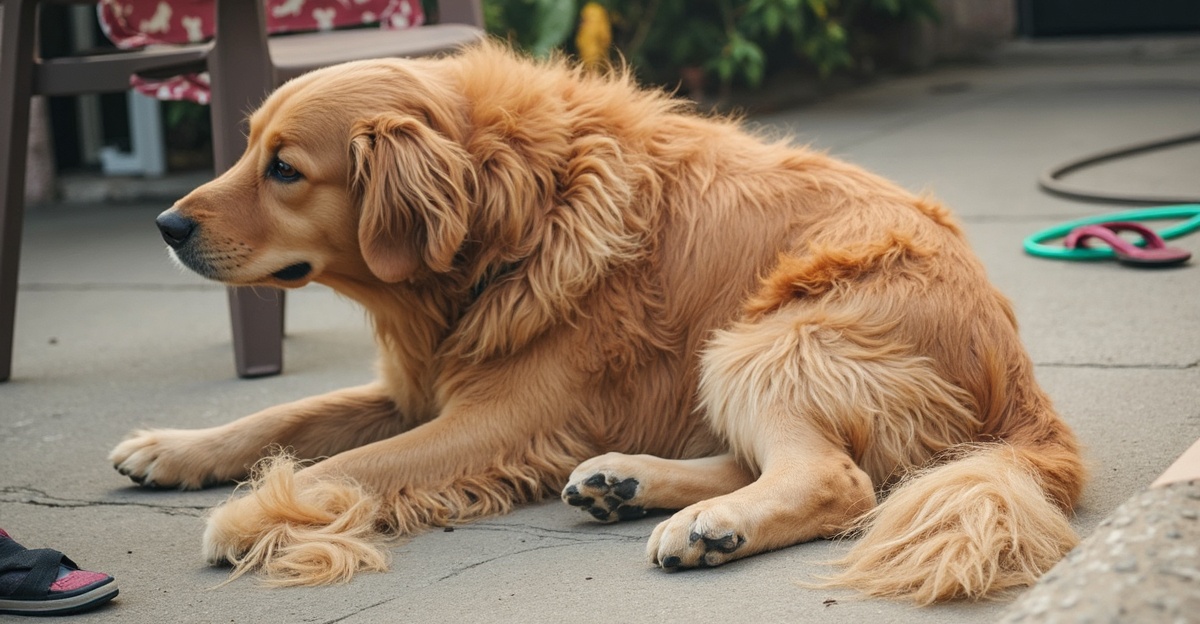
There are two kinds of dog owners: those who’ve accepted fur as a condiment, and those still fighting the battle. After living with a double-coated Husky for six years, I’ve tried everything from lint rollers to robot vacuums to questionable “deshedding gloves” from late-night infomercials. The truth is, no tool stops shedding entirely — but the right brush removes loose undercoat before it hits your couch, your clothes, and your morning coffee.
We tested six popular deshedding tools on dogs that shed like it’s their full-time job. Here’s what actually made a visible difference.
Understanding Your Dog’s Coat
Brush selection depends on coat type:
- Double-coated (Huskies, Goldens, German Shepherds): Need an undercoat rake or deshedding tool that reaches the dense undercoat without cutting guard hairs.
- Short-haired (Labs, Beagles, Pit Bulls): Need a rubber curry brush or bristle brush that removes loose hair close to the skin.
- Long-haired (Collies, Shih Tzus, Afghans): Need a slicker brush for detangling plus a comb for finishing.
- Wire-haired (Terriers, Schnauzers): Need a stripping comb or slicker brush designed for coarse texture.
Top 6 Deshedding Brushes
1. FURminator Undercoat deShedding Tool — Best Overall
The FURminator earned its cult following because it genuinely pulls more loose undercoat in a single session than any other tool we tested. The stainless steel edge reaches through the topcoat to grab dead undercoat without cutting live hair (when used correctly — light pressure, always in the direction of hair growth). The FURejector button pushes collected fur off the blade, which is more satisfying than it has any right to be.
One caution: overuse can thin the coat. Limit sessions to 10-15 minutes, once or twice per week during shedding season. This tool is specifically for double-coated breeds — don’t use it on single-coated dogs.
| Pros | Cons |
|---|---|
| Removes massive amounts of undercoat | Can thin coat if overused |
| FURejector button for easy cleanup | Not for single-coated breeds |
| Available in multiple sizes | Blade dulls after 1-2 years |
| Ergonomic handle | Some dogs dislike the sensation |
2. SleekEZ Deshedding Grooming Tool — Best for Short Hair
A curved stainless steel blade in a wooden handle — that’s it. The SleekEZ’s simplicity is its strength. Originally designed for horses, it works brilliantly on short-haired dogs like Labs, Pit Bulls, and Boxers. It removes loose hair, dirt, and dander in long sweeping strokes. Dogs seem to enjoy it more than toothed tools because there’s no pulling or snagging.
3. Chris Christensen Big G Slicker Brush — Best for Long Hair
Professional groomers swear by Chris Christensen brushes, and the Big G is their flagship. The cushioned pad and long, gentle pins glide through long coats without breaking hair. It detangles and removes loose fur simultaneously. At $30-40, it costs more than generic slicker brushes, but the difference in quality is immediately obvious — no scratching, no pulling, just smooth grooming.
4. Kong ZoomGroom — Best Rubber Brush
A rubber curry brush that doubles as a massage tool. The flexible rubber fingers attract loose hair through static, and most dogs lean into grooming sessions because it feels like a deep massage. It’s also excellent for bath time — work shampoo in with the ZoomGroom and loose fur comes out during the rinse. At $5-8, it’s essentially disposable, but they last surprisingly long.
5. GoPets Dematting Comb — Best for Matted Fur
For double-coated dogs who’ve gone too long between grooming sessions, mats and tangles are inevitable. The GoPets dematting comb has dual-sided blades (9 teeth for mats, 17 teeth for thinning) that cut through tangles without pulling live hair. Use it to tackle problem areas before switching to a regular deshedding tool.
6. Hertzko Self-Cleaning Slicker Brush — Most Convenient
The Hertzko’s party trick is the retractable bristle button — press it and the pins retract below the surface, dropping all collected fur into a neat pile. It’s not the most powerful deshedder, but for daily maintenance on medium-coat dogs, the convenience factor is unbeatable. Five-minute daily sessions with this brush noticeably reduce the fur you find on furniture.
Comparison Table
| Brush | Best For | Coat Type | Self-Cleaning | Price |
|---|---|---|---|---|
| FURminator | Overall deshedding | Double coat | FURejector | $$$ |
| SleekEZ | Short hair | Short/smooth | No | $$ |
| Chris Christensen | Long hair | Long/silky | No | $$$ |
| Kong ZoomGroom | Rubber/massage | All types | Rinse | $ |
| GoPets Dematting | Matted fur | Double coat | No | $$ |
| Hertzko | Daily maintenance | Medium coat | Yes (button) | $$ |
Choose the Brush by Coat Type, Not Just Shedding Level
The best dog brush is the one that matches the coat structure. A slicker brush that works beautifully on a doodle can be too harsh for a short-coated dog, while a rubber curry brush that works on a Labrador will not reach the packed undercoat on a husky. Before buying, look at coat length, undercoat density, skin sensitivity, and how much loose hair you can remove in a normal five-minute session.
| Coat Type | Best Brush Style | Watch Out For |
|---|---|---|
| Short smooth coat | Rubber curry or grooming glove | Metal teeth can irritate thin skin |
| Double coat | Undercoat rake plus slicker | Do not overuse deshedding blades |
| Curly or doodle coat | Slicker brush and metal comb | Mats hide close to the skin |
| Long silky coat | Pin brush and comb | Pulling too hard can break coat |
A Simple Weekly Grooming Routine
For most dogs, one longer weekly brushing session plus a quick two-minute pass after muddy walks works better than waiting until hair builds up everywhere. Start at the shoulders, work in sections, and check the friction points: behind the ears, under the collar, armpits, rear legs, and tail base. Those areas mat first and are easy to miss.
If your dog dislikes brushing, use shorter sessions and reward calm standing. A brush that technically removes more hair is not helpful if the dog fights it every time. Comfort, handle grip, and a predictable routine matter almost as much as the bristle type.
When Shedding Is a Health Signal
Seasonal shedding is normal, but sudden bald spots, flaky skin, sores, or obsessive scratching are not a brush problem. If the coat changes quickly, treat the brush as a maintenance tool and look for the underlying issue: allergies, fleas, diet changes, stress, or skin infection. A good brush should remove loose hair without scraping the skin or leaving red marks.
Brush Pressure and Coat Damage Checks
A deshedding brush should remove loose coat without scraping the skin or cutting healthy guard hairs. More pressure does not mean better grooming. For double-coated breeds, short gentle passes usually work better than digging the tool into the coat. Stop if the skin looks red, the dog flinches, or the brush starts pulling instead of gliding.
Use the right tool for the coat. Slicker brushes help with tangles, undercoat rakes help thick double coats, rubber curry brushes work well for short coats, and combs are useful for checking small mats. If shedding suddenly increases, the coat becomes patchy, or the dog is itchy, grooming tools are not the full answer.
| Coat Type | Better Tool | Common Mistake |
|---|---|---|
| Short coat | Rubber curry or soft bristle brush | Using sharp deshedding teeth too often |
| Double coat | Undercoat rake or deshedding tool | Brushing hard enough to irritate skin |
| Long coat | Slicker plus comb check | Missing mats behind ears and legs |
| Sensitive skin | Soft brush and shorter sessions | Trying to finish the whole coat in one sitting |
Frequently Asked Questions
How often should I brush a heavy shedder?
During shedding season (spring and fall), brush daily for 10-15 minutes. During the rest of the year, 2-3 times per week keeps loose fur manageable. Consistency matters more than marathon grooming sessions.
Can brushing damage my dog’s coat?
Yes, if you use the wrong tool or brush too aggressively. Deshedding tools with blades (like the FURminator) can thin the coat with overuse. Always brush in the direction of hair growth, use light pressure, and stop if you see skin irritation.
Do deshedding shampoos help?
They can help loosen dead undercoat during baths, but they’re no substitute for mechanical brushing. Use a deshedding shampoo followed by a conditioner, then brush thoroughly after the coat is 80% dry for maximum loose hair removal.
Why is my dog shedding more than usual?
Seasonal changes, stress, poor diet, allergies, and medical conditions can all increase shedding. If shedding is sudden, excessive, or accompanied by bald patches, see your vet. Dietary improvements often help — check out our guide to dog food for sensitive stomachs since poor nutrition is a top cause of excess shedding.
Pet Product Specialist & Veterinary Nutrition Consultant
Sarah has spent over 8 years reviewing pet products and consulting with veterinarians to help pet owners make informed choices. She shares her home with two rescue dogs, a senior cat, and a very opinionated parrot. Her reviews combine hands-on testing with science-backed research.
Disclosure: This post contains affiliate links. If you purchase through our links, we may earn a small commission at no extra cost to you. Learn more.