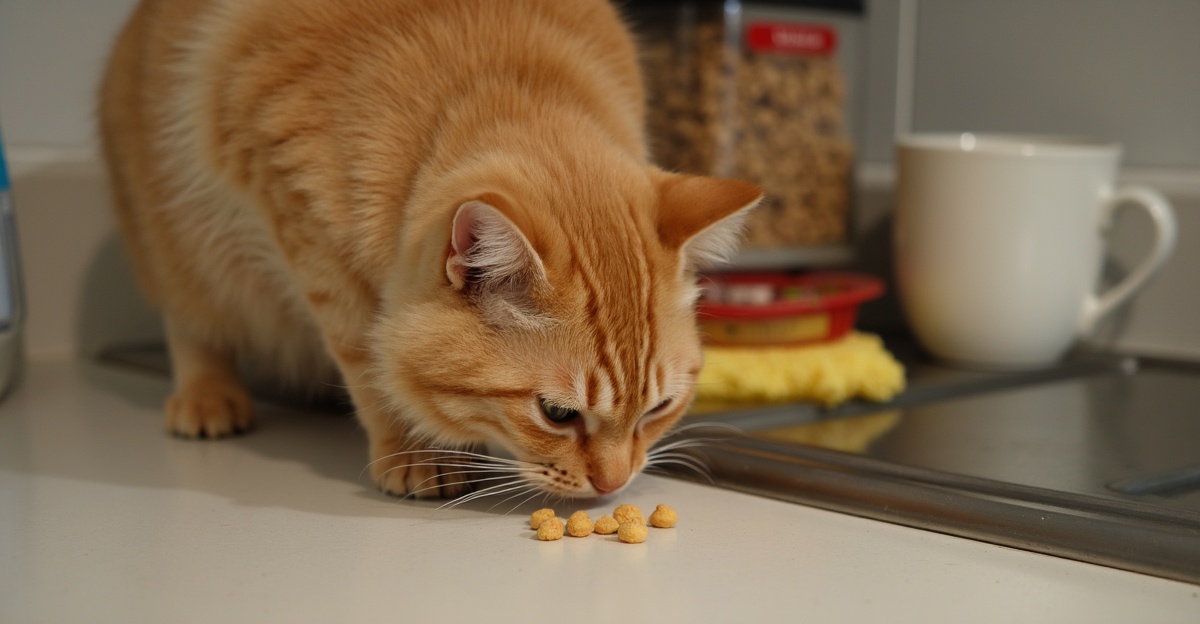
By age three, over 70% of cats have some form of dental disease. That statistic from the American Veterinary Dental College isn’t a scare tactic — it’s a reality most cat owners discover during routine vet checkups when the vet pulls back a lip and shows you inflamed gums you never noticed. Brushing a cat’s teeth is the gold standard, but let’s be honest: most cats would rather fight a badger than sit still for a toothbrush. Dental treats aren’t a perfect substitute, but VOHC-accepted treats are clinically proven to reduce plaque and tartar. They’re the realistic daily dental care most cat owners can actually maintain.
What VOHC Acceptance Means
The Veterinary Oral Health Council (VOHC) is an independent organization that evaluates pet dental products using controlled clinical trials. Products earning the VOHC seal have proven plaque or tartar reduction in actual feeding trials — not just marketing claims. We prioritized VOHC-accepted treats in this review because the seal separates proven products from wishful thinking.
Quick Dental-Risk Checklist: Does Your Cat Actually Need These?
Dental treats help with mild plaque control, but they are not a fix for active disease. Run through this list before relying on them as your main strategy. If you check three or more items, schedule a vet exam first and treat dental chews as a supplement, not a solution.
- Visible yellow or brown tartar at the gum line, especially on the upper premolars
- Red, swollen, or bleeding gums when you gently lift the lip
- Breath that smells noticeably worse than normal cat breath
- Pawing at the mouth, head shaking, or dropping kibble mid-chew
- Eating only on one side, or a sudden preference for wet food over dry food
- Drooling, with or without a pink tinge
- Age 7+ with no recent dental exam or cleaning on record
- Persian, Himalayan, Exotic Shorthair, or another flat-faced breed with crowded teeth
- History of feline resorptive lesions, stomatitis, or recurring gum inflammation
How to Choose: Texture, Size, and Calories
Texture and Shape
The mechanical chewing action is where most dental-treat benefit comes from. A treat that shatters on the first bite does very little. A treat that requires several chews can scrape the tooth surface as it breaks down. Look for a porous or fibrous texture, an irregular shape that encourages chewing instead of swallowing whole, and a piece size that actually reaches the back teeth.
Very small treats may be easier for picky cats, but they often miss the molars. Very hard treats can be a problem for cats with painful teeth. If your cat crunches once and swallows, choose a larger dental treat. If your cat drops food or avoids one side of the mouth, stop using hard treats and ask your vet to check for pain.
Calorie Load
Treats should stay under about 10% of daily calories. The average 10 lb indoor adult cat needs roughly 180-220 calories per day, so the treat budget is only about 18-22 calories. Most dental treats run around 1-2 calories per piece, which sounds harmless until they become an all-day snack.
| Cat Weight | Estimated Daily Calories | Approx. Treat Budget | Practical Daily Limit |
|---|---|---|---|
| 6 lb | About 130 kcal | About 13 kcal | 6-8 small treats |
| 8 lb | About 160 kcal | About 16 kcal | 8-10 small treats |
| 10 lb | About 200 kcal | About 20 kcal | 10-12 small treats |
| 12 lb | About 230 kcal | About 23 kcal | 12-14 small treats |
| 15 lb | About 270 kcal | About 27 kcal | 14-16 small treats |
If your cat is overweight or on a prescription diet, subtract treat calories from the daily food portion instead of adding them on top. Dental treats are still treats, even when they have a health claim.
A Realistic Weekly Dental Routine
Dental treats work best as part of a simple routine, not as a standalone fix. The goal is to disrupt plaque before it hardens into tartar. For most owners, the realistic plan is a mix of treats, short brushing sessions, and regular checks rather than a perfect daily toothbrush routine that fails after a week.
- Daily: Offer a measured dental-treat portion after meals, when your cat is already chewing and saliva flow is higher.
- Two or three times per week: Brush with a cat-safe enzymatic toothpaste, even if you only manage 15-20 seconds per side.
- Weekly: Lift the lip and check for new tartar, gum redness, chipped teeth, or one-sided chewing.
- Monthly: Recheck body weight so dental treats are not quietly pushing your cat above a healthy calorie range.
- Yearly: Ask your vet for an oral exam. Senior cats and cats with previous dental disease may need more frequent checks.
When Dental Treats Are Not Enough
No chew, paste, or water additive can remove hardened tartar or treat disease below the gum line. Dental treats are prevention support. They are not treatment for painful teeth, inflamed gums, or advanced periodontal disease.
Book a professional dental exam if you see brown tartar that will not wipe away, a receding gum line, loose teeth, persistent bad breath, weight loss, drooling, or sudden grooming changes. Anesthesia-free cleanings may make visible teeth look cleaner, but they cannot probe below the gum line, take dental X-rays, or treat hidden feline dental disease.
Top 5 Cat Dental Treats
1. Greenies Feline Dental Treats — Best Overall
The most recognized dental treat brand for cats, and VOHC-accepted for tartar reduction. The crunchy texture and unique shape encourage chewing (cats who swallow treats whole need to chew these due to the shape). Added vitamins, minerals, and taurine make them nutritionally complete as a treat. Available in multiple flavors — our test cats strongly preferred the tuna and catnip varieties.
| Pros | Cons |
|---|---|
| VOHC-accepted for tartar control | Some cats swallow without chewing |
| Multiple flavor options | Contains grain ingredients |
| Added vitamins and taurine | Calorie-dense (1.25 cal each) |
| Widely available | Strong smell (not all owners enjoy it) |
2. Virbac C.E.T. Enzymatic Oral Hygiene Chews for Cats — Best Enzymatic
Virbac is the veterinary dental care specialist, and their enzymatic chews contain a dual-enzyme system (glucose oxidase and lactoperoxidase) that actively fights plaque-causing bacteria beyond just mechanical scrubbing. VOHC-accepted for plaque reduction. The freeze-dried fish formula appeals to nearly all cats, and the enzymes work even if the cat doesn’t chew extensively — they activate in saliva.
3. Purina DentaLife Cat Treats — Best Value
VOHC-accepted and priced at roughly half the cost of Greenies. The porous, crunchy texture is designed to clean down to the gumline as cats bite through. Chicken is the primary protein. The treats are smaller than Greenies, which some cats prefer. At about $3 for a 51-gram pouch, daily dental care costs under $0.15/day.
4. OraVet Dental Hygiene Chews for Cats — Best for Plaque Prevention
OraVet chews contain delmopinol, a technology that creates a barrier on teeth to prevent plaque from adhering in the first place. This proactive approach is different from treats that only remove existing plaque through abrasion. VOHC-accepted, and recommended by veterinary dentists for cats with fast plaque accumulation.
5. Whiskas Dentabites — Best for Picky Cats
Sometimes the “best” dental treat is simply the one your cat will eat. Whiskas Dentabites have a strong chicken flavor that appeals to cats who reject other dental treats. The crunchy-outside, soft-inside texture encourages chewing. While not as clinically proven as VOHC-accepted options, the abrasive texture does provide some mechanical plaque removal, and daily use is better than an uneaten premium treat.
Comparison Table
| Treat | VOHC | Key Mechanism | Calories/Treat | Price |
|---|---|---|---|---|
| Greenies Feline | Yes | Mechanical + shape | 1.25 | $$ |
| Virbac C.E.T. | Yes | Enzymatic | ~1.5 | $$$ |
| Purina DentaLife | Yes | Porous texture | ~1 | $ |
| OraVet | Yes | Plaque barrier | ~1.5 | $$$ |
| Whiskas Dentabites | No | Mechanical crunch | ~1 | $ |
Dental Treats Are Support, Not a Full Dental Plan
Cat dental treats can reduce some plaque and give cats a chewing routine, but they do not replace veterinary dental care. Bad breath, drooling, pawing at the mouth, red gums, loose teeth, or sudden refusal to eat hard food should be treated as health signals, not shopping signals.
Calories matter because dental treats are still treats. If your cat gets them daily, subtract those calories from the regular diet. This matters most for indoor cats, senior cats, and cats already close to an overweight body condition.
| Check | Good Sign | Caution |
|---|---|---|
| VOHC status | Accepted for plaque or tartar control | Marketing claim with no dental acceptance |
| Texture | Large enough to encourage chewing | Cat swallows without chewing |
| Calories | Easy to fit into daily intake | Treats quietly replace balanced meals |
| Health fit | Normal chewing and no mouth pain | Pain, bleeding, or sudden chewing changes |
Best for / Skip if
Best for: healthy adult cats that chew treats instead of swallowing them whole. Dental treats work best as one part of a routine that may include brushing, dental diets, and regular vet checks.
Skip if: your cat has missing teeth, mouth pain, a history of choking, or a veterinary diet that limits treats. Ask your vet before adding daily dental treats to cats with kidney disease, diabetes, food allergies, or weight-control plans.
Frequently Asked Questions
Can dental treats replace brushing?
No — brushing is still the gold standard. But VOHC-accepted treats are a proven second line of defense and far better than nothing. Think of them as daily maintenance between professional cleanings, similar to mouthwash for humans. For cats who absolutely won’t tolerate brushing, dental treats are the most realistic daily dental care.
How many dental treats should a cat get per day?
Follow the package instructions — typically 8-12 Greenies or equivalent per day. Treats should not exceed 10% of daily calories. For a 10-pound cat eating 200 calories/day, that’s 20 calories in treats, which is roughly 15-16 Greenies. Adjust meal portions to compensate.
At what age should cats start dental treats?
After all adult teeth are in, typically around 6-7 months. Avoid dental treats for kittens still developing permanent teeth. Start with a few per day and build up to the recommended amount over a week.
Dental health connects to overall nutrition. Pair dental treats with quality food — see our indoor cat food guide for recommendations. And a cat water fountain encourages the water intake that helps wash food particles from teeth.
Pet Product Specialist & Veterinary Nutrition Consultant
Sarah has spent over 8 years reviewing pet products and consulting with veterinarians to help pet owners make informed choices. She shares her home with two rescue dogs, a senior cat, and a very opinionated parrot. Her reviews combine hands-on testing with science-backed research.
Disclosure: This post contains affiliate links. If you purchase through our links, we may earn a small commission at no extra cost to you. Learn more.