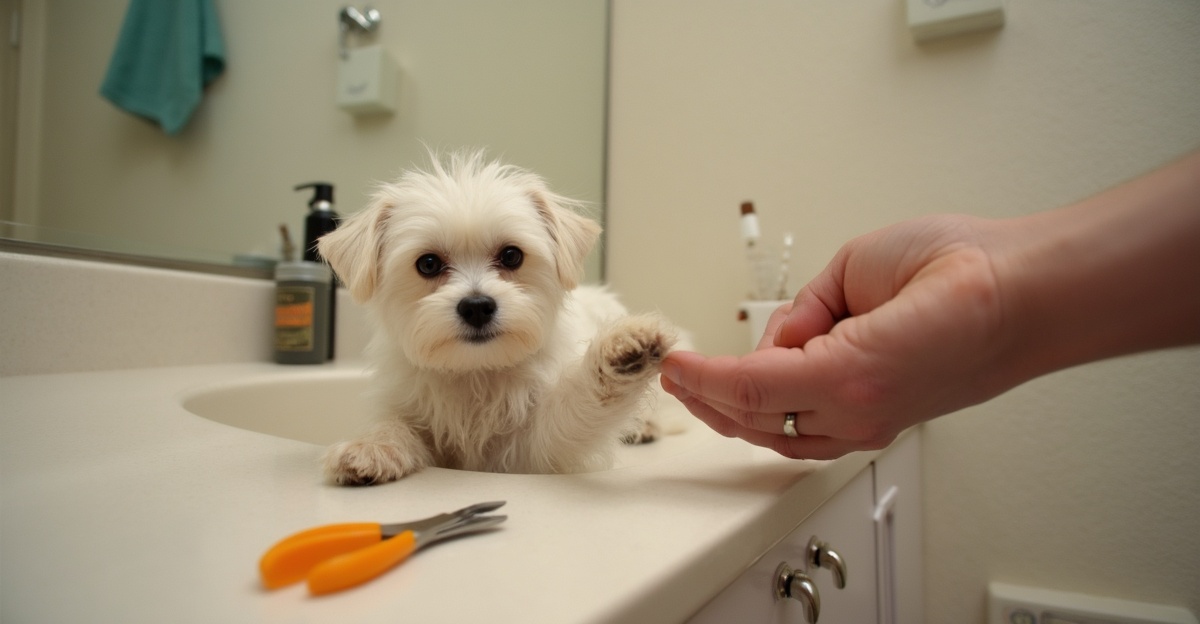
Overgrown nails cause real problems: altered gait, joint stress, painful splitting, and in severe cases, nails that curl into the paw pad. Most dogs need a trim every 3-4 weeks, yet it’s the grooming task owners dread most — partly because one bad experience with a blood vessel (the “quick”) creates lasting anxiety for both dog and human. The right tool makes a genuine difference. We tested five clippers and grinders with a veterinary technician supervising, on dogs ranging from a nervous Pomeranian to a stoic Great Dane.
Clippers vs. Grinders
- Guillotine clippers: A blade slides across a hole you insert the nail into. Best for small to medium dogs with thin nails. Quick and precise but can crush thick nails.
- Scissor/plier clippers: Two blades close on the nail like scissors. Better for large dogs with thick nails. Gives more control over cut placement.
- Grinders (Dremels): A rotating file that sands the nail down gradually. Slower but nearly eliminates the risk of hitting the quick. Many dogs tolerate grinders better than clippers once acclimated to the vibration and sound.
Top 5 Dog Nail Clippers
1. Casfuy Dog Nail Grinder — Best Overall
This rechargeable grinder has two speed settings and three grinding ports for different nail sizes. The motor is quieter than most competitors (which matters enormously for noise-sensitive dogs), and the diamond drum bit files nails smoothly without snagging. Our vet tech was able to trim all four paws on a medium dog in about 8 minutes, with a rounded, smooth finish that doesn’t catch on fabric.
The USB-rechargeable battery lasts about 2 hours per charge — enough for roughly 8-10 full sessions. The built-in LED light helps you see the quick on light-colored nails.
| Pros | Cons |
|---|---|
| Very quiet motor | Slower than clippers |
| Virtually no risk of quick-cutting | Vibration bothers some dogs |
| USB rechargeable, long battery | Grinding dust can be messy |
| LED light for quick visibility | Not for extremely thick nails |
2. Safari Professional Nail Trimmer — Best Scissor Clipper
The Safari Professional uses surgical-grade stainless steel blades that stay sharp through hundreds of trims. The safety stop helps prevent over-cutting, and the non-slip rubber grip provides control even with sweaty, nervous hands. This is the clipper most professional groomers and vet techs reach for — simple, reliable, and effective on dogs from 20 to 100+ pounds.
3. Millers Forge Nail Clipper — Best for Large Dogs
The heavy-duty model with a reinforced spring and extra-long handles generates more cutting force with less hand effort. Designed for the thick nails of large and giant breeds. The blade geometry creates a clean cut without crushing — important because crushed nails split and cause pain. Professional groomers handling Great Danes, Mastiffs, and Saint Bernards frequently choose this model.
4. Dremel PawControl 7760 — Best Premium Grinder
From the brand that invented rotary tools, the Dremel PawControl is the most powerful grinder designed specifically for pets. Four speed settings, a 45-degree paw guide for optimal filing angle, and a quiet motor that produces less vibration than competitors. The lithium-ion battery holds charge between sessions (unlike cheaper grinders that slowly die on the shelf).
5. Zen Clipper — Best for Small Dogs and Puppies
The Zen Clipper’s patented conical blade only allows a precise amount of nail into the cutting zone, making it physically impossible to cut too much. Sized specifically for small nails (they sell different sizes based on nail diameter), this is the clipper for owners who are terrified of hitting the quick. Less versatile than traditional clippers, but the peace of mind is worth it for small-dog owners.
Comparison Table
| Tool | Type | Best For | Dog Size | Price |
|---|---|---|---|---|
| Casfuy Grinder | Grinder | Overall | All sizes | $$ |
| Safari Professional | Scissor | All-purpose | Medium-Large | $ |
| Millers Forge | Scissor | Large/giant dogs | Large-Giant | $ |
| Dremel PawControl | Grinder | Premium grinder | All sizes | $$$ |
| Zen Clipper | Conical | Small dogs/puppies | Small | $$ |
How to Choose Clippers Without Stressing Your Dog
The right nail tool depends on nail size, nail color, noise sensitivity, and your confidence level. A large dog with thick black nails may need a strong clipper or grinder. A tiny dog or puppy may do better with a small, controlled tool that removes less nail at a time. If your dog panics at vibration, start with a quiet clipper and desensitization work before using a grinder.
| Dog / Owner Situation | Better Tool | Why |
|---|---|---|
| Thick nails | Heavy-duty scissor clipper or grinder | Cuts cleaner and avoids crushing the nail |
| Black nails | Grinder or small incremental clips | Reduces the chance of cutting the quick |
| Noise-sensitive dog | Quiet clipper first | Less vibration and sound |
| Nervous owner | Grinder or guarded clipper | Allows slower, more controlled trimming |
Low-Stress Nail Trim Routine
Do not try to fix months of overgrown nails in one session. Start by touching paws, rewarding calm behavior, and trimming one or two nails at a time. Short, successful sessions are better than a long struggle that teaches the dog to hate the tool. Keep styptic powder nearby before you begin.
If nails are very overgrown, the quick may extend farther than expected. Trim small amounts more often and let the quick recede gradually. Dogs with painful joints, cracked nails, or severe fear may need a groomer or veterinarian to reset the process safely.
Maintenance After the Trim
Check the trimmed edge for sharp corners. Clippers can leave a squared edge, while grinders smooth the nail more naturally. If your dog walks on hard surfaces daily, nails may wear down between trims. Indoor dogs, seniors, and small dogs often need more regular maintenance because their nails do not grind down as much on walks.
Make the tool part of the normal routine even when you are not trimming. Let your dog sniff it, hear the grinder from across the room, and earn rewards for calm paw handling. That small practice reduces the chance that every nail session feels like a surprise battle.
Related low-stress grooming guides: Nail trimming is easier when the rest of the care routine is calm. For coat maintenance, compare our best dog brushes for shedding. For muddy paws after walks, see our dog paw cleaner guide. If grooming sessions trigger fear, our dog anxiety calming guide can help you build a slower routine.
How to Pick Clippers by Dog Size and Nail Type
The safest nail clipper is the one that matches your dog’s nail thickness and your hand control. Small scissor-style clippers can work well for toy breeds and puppies, but they may flex or crush thick nails on large dogs. Heavy-duty plier-style clippers give more leverage, but they can feel too bulky if your hands are small or if your dog jerks away.
For black nails, visibility is the main challenge. Choose a clipper that lets you take tiny slices instead of one large cut. A grinder can also help smooth edges after clipping, but many noise-sensitive dogs need several short training sessions before they accept it.
| Dog / Nail Type | Better Tool | Why |
|---|---|---|
| Puppies and toy breeds | Small scissor clipper | More control on tiny nails |
| Medium dogs | Sharp plier clipper | Enough leverage without being oversized |
| Large dogs with thick nails | Heavy-duty plier clipper plus file | Cleaner cuts and fewer crushed edges |
| Noise-sensitive dogs | Clipper first, grinder later | Avoids overwhelming the dog with vibration |
Best for / Skip if: Clippers vs Grinders
Best for clippers: dogs that tolerate paw handling and need fast trims. Clippers are quiet, cheap, and easy to store. They are also better for owners who only need to remove a small amount every one or two weeks.
Skip clippers if: you panic about cutting the quick or your dog has very dark, thick nails and pulls away suddenly. In that case, use a grinder slowly or ask a groomer to show you the safe trim line first.
Best for grinders: dogs with rough edges after clipping or owners who want to round the nail gradually. Use short sessions, reward often, and stop before the nail heats up from friction.
How to Match Clippers to Nail Size and Temperament
Dog nail clippers should be chosen around the nail, the dog, and your own confidence level. A small scissor-style clipper can feel precise on toy breeds, but it may crush or twist thick nails on larger dogs. A heavy-duty plier clipper gives more leverage, but it can feel intimidating if you are nervous about cutting the quick. For anxious dogs, the safest tool is often the one that lets you work slowly and stop before stress builds.
| Dog / Nail Type | Better Tool | Main Risk |
|---|---|---|
| Toy breeds | Small scissor clipper with sharp blades | Large clippers block your view of the quick |
| Medium dogs | Mid-size plier clipper with safety stop | Dull blades squeeze instead of cut |
| Large thick nails | Heavy-duty plier clipper or grinder finish | Taking off too much in one cut |
| Anxious dogs | Quiet grinder or tiny clip-and-reward sessions | Rushing the session until the dog fights it |
Safer Trimming Routine for Nervous Dogs
Start with handling, not cutting. Touch the paw, reward, release, and stop before the dog pulls away. Once the dog accepts that step, bring the clipper near the nail without cutting. The goal is to make the tool predictable. For many dogs, one or two nails per session is better than forcing all four paws at once.
Cut small slices instead of one large chunk. On light nails, stop before the pink quick. On black nails, watch for the center of the cut surface to change from dry and chalky to darker and slightly moist. That is your warning to stop. Keep styptic powder nearby before you start, not after a mistake happens.
If your dog has very long nails, do not try to fix them in one day. The quick can extend forward when nails stay long for months. Trim tiny amounts weekly and let the quick recede gradually. If nails curl into the paw pad, split, bleed easily, or your dog limps after trimming, use a groomer or veterinarian instead of pushing through at home.
Frequently Asked Questions
How do I know if my dog’s nails are too long?
If you hear clicking on hard floors when your dog walks, the nails are too long. Ideally, the nails should not touch the ground when the dog is standing on a flat surface. For dogs with dewclaws, check those separately — they don’t wear down naturally and can grow in a circle into the pad.
I cut the quick — what do I do?
Apply styptic powder (like Kwik Stop) immediately — it stops bleeding within 30 seconds. If you don’t have styptic powder, cornstarch or a bar of soap pressed against the nail works as a temporary measure. The bleeding looks alarming but is rarely dangerous. Keep the dog calm and avoid walks on dirty surfaces for 24 hours.
My dog hates nail trims — how do I make it less stressful?
Start with desensitization: touch paws daily without trimming, then hold the clipper near paws without cutting, then trim one nail per session with a high-value treat reward. Many trainers recommend a “treat licking mat” spread with peanut butter during trims — the licking creates calming endorphins. Over 2-4 weeks, most dogs become tolerant.
Regular grooming goes beyond nails. Our guide to dog toys for aggressive chewers covers products that naturally file nails through play. For the complete grooming routine, pair nail care with proper nutrition from our sensitive stomach food guide — healthy skin and nails start from the inside.
Pet Product Specialist & Veterinary Nutrition Consultant
Sarah has spent over 8 years reviewing pet products and consulting with veterinarians to help pet owners make informed choices. She shares her home with two rescue dogs, a senior cat, and a very opinionated parrot. Her reviews combine hands-on testing with science-backed research.
Disclosure: This post contains affiliate links. If you purchase through our links, we may earn a small commission at no extra cost to you. Learn more.