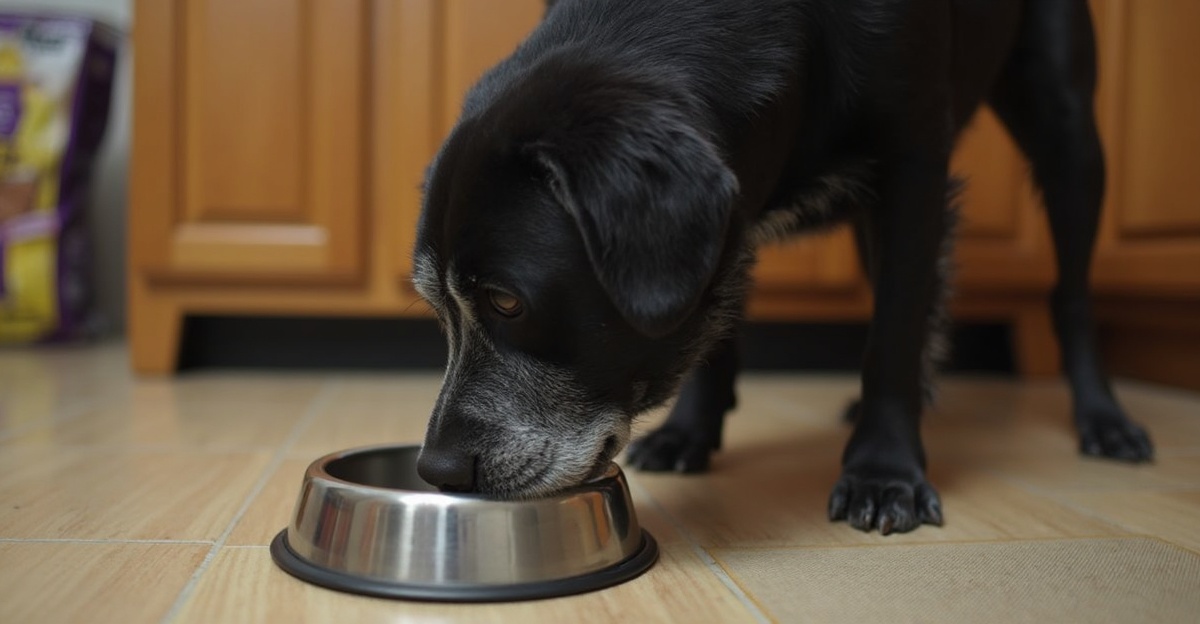
Dogs age at different rates depending on breed and size — a Great Dane is “senior” at 5, while a Chihuahua might not slow down until 10. But whenever it happens, the nutritional needs shift. Senior dogs need fewer calories (metabolism drops 20-30%), more joint support (glucosamine and omega-3s), easily digestible protein to maintain muscle mass, and adjusted fiber for slowing digestive systems. The right food can be the difference between a senior dog who sleeps all day and one who still greets you at the door with a wagging tail.
What Changes in a Senior Dog’s Nutritional Needs
- Calories: Reduced activity means reduced caloric needs. Overfeeding is the number one health risk for senior dogs.
- Protein: Contrary to outdated advice, senior dogs need maintained or even increased protein to preserve muscle mass. The key is digestible protein, not less protein.
- Joint support: Glucosamine, chondroitin, and omega-3 fatty acids help manage arthritis and stiffness.
- Fiber: Senior dogs often develop constipation. Moderate fiber keeps things moving without causing gas.
- Cognitive support: Antioxidants (vitamins E and C), DHA, and MCTs support brain health in aging dogs.
Top 6 Senior Dog Foods
1. Purina Pro Plan Bright Mind Adult 7+ — Best Overall
The “Bright Mind” formula contains enhanced botanical oils with MCTs that provide an alternative energy source for aging brain cells. In Purina’s own clinical studies, dogs showed improved alertness, memory, and trainability within 30 days. Chicken is the first ingredient, and the added glucosamine and EPA omega-3 support joints. This is one of the few senior foods backed by peer-reviewed research on cognitive benefits.
| Pros | Cons |
|---|---|
| Clinically proven brain support | Contains grain (not for grain-allergic dogs) |
| Real chicken first ingredient | Contains some by-products |
| Joint support included | Mid-range price |
| High palatability | Large kibble size for small dogs |
2. Blue Buffalo Life Protection Senior — Best Natural
Deboned chicken as the first ingredient, brown rice and barley for gentle carbohydrates, and Blue’s signature “LifeSource Bits” — small kibble pieces containing a precise blend of antioxidants, vitamins, and minerals. No chicken by-products, corn, wheat, or soy. The L-Carnitine helps maintain healthy body weight, and glucosamine supports mobility.
3. Hill’s Science Diet Adult 7+ — Best Vet-Recommended
The most-prescribed senior food in veterinary clinics. Hill’s formula is developed by board-certified nutritionists and backed by feeding trials. It’s formulated for easy digestion with balanced fiber and includes a clinically proven antioxidant blend for immune support. Not the most exciting ingredient list, but the clinical evidence behind it is stronger than any other brand here.
4. Nutro Ultra Senior — Best for Joint Health
Nutro Ultra combines three lean proteins (chicken, lamb, salmon) with a superfood blend including chia, kale, and blueberries. The standout feature is the comprehensive joint support: glucosamine, chondroitin, and a meaningful dose of omega-3 from salmon. For senior dogs already showing stiffness, this formula addresses the most common complaint vets hear about aging dogs.
5. Wellness Complete Health Senior — Best for Digestion
Deboned chicken and whitefish provide easily digestible protein, while prebiotics, probiotics, and moderate fiber support gut health. Senior dogs with chronic soft stools or gas often improve on this formula. The added flaxseed and salmon oil provide omega-3s for skin, coat, and joint support without being too rich for sensitive stomachs.
6. Diamond Naturals Senior — Best Budget
At $30-35 for a 35-pound bag, Diamond Naturals delivers solid senior nutrition at the lowest cost per serving. Chicken is the first ingredient, with added glucosamine, probiotics, and omega fatty acids. It’s not as premium as the other options, but for multi-dog households or tight budgets, the nutritional profile is respectable and far better than generic grocery-store brands.
Comparison Table
| Food | Best For | Key Feature | Protein % | Price/lb |
|---|---|---|---|---|
| Purina Bright Mind | Overall | Brain health MCTs | 28% | $$$ |
| Blue Buffalo | Natural | LifeSource Bits | 24% | $$$ |
| Hill’s Science | Vet-backed | Feeding trials | 21% | $$$ |
| Nutro Ultra | Joint health | Triple protein | 26% | $$$ |
| Wellness Senior | Digestion | Probiotics | 25% | $$$ |
| Diamond Naturals | Budget | Low cost/serving | 25% | $ |
How to Choose Senior Dog Food by Health Priority
Senior dog food should match the problem you are trying to solve. Some older dogs need joint support, some need easier digestion, and some simply need a lower-calorie formula because they are less active than they used to be. Start with your dog’s body condition, appetite, stool quality, and mobility before choosing a bag by age label alone.
| Senior Dog Need | Prioritize | Watch Out For |
|---|---|---|
| Stiff joints | Omega-3s, glucosamine, chondroitin, healthy weight support | High calories that make joint pressure worse |
| Sensitive digestion | Digestible protein, fiber balance, gradual transition | Fast food changes that trigger loose stool |
| Weight gain | Measured calories, moderate fat, clear feeding guide | Free-feeding and too many treats |
| Weight loss | Vet check, appetite tracking, palatable formula | Assuming age alone explains weight loss |
Transition Plan for Older Dogs
Older dogs often handle diet changes less smoothly than younger adults. Switch gradually over 7 to 10 days unless your veterinarian gives different instructions. Start with a small amount of the new food mixed into the old food, then increase the new food every few meals. If stool becomes soft, appetite drops, or vomiting appears, slow the transition and contact your vet if symptoms continue.
Keep treats, table scraps, and toppers consistent during the transition. If you change the main food and several extras at the same time, it becomes hard to know what caused a reaction. For dogs with kidney disease, heart disease, pancreatitis, diabetes, or significant dental pain, choose food with your veterinarian instead of relying only on a general senior-food list.
Buyer Fit: Dry, Wet, or Mixed Feeding?
Dry senior food is usually easier to measure, store, and use in puzzle feeders. It works well for dogs that chew comfortably and maintain hydration. Wet senior food can help dogs with dental discomfort, reduced appetite, or a need for more moisture, but it costs more per day and spoils faster after opening.
A mixed routine can work well: dry food for most calories and a spoon of wet food or warm water for aroma. The goal is not to make the bowl fancy. It is to keep an older dog eating consistently while maintaining a healthy body condition.
Related senior dog health guides: Senior dogs often need more than a new food. If weight is part of the problem, compare our best dog food for weight loss. For mobility support, see our dog joint supplement guide. If digestion is sensitive, start with our sensitive stomach dog food picks.
Senior Dog Food Checks Owners Often Miss
Senior dog food should be matched to the dog in front of you, not just the age printed on the bag. Some older dogs need fewer calories because they move less, while others need calorie-dense food because they are losing weight. Joint support, digestibility, protein quality, and sodium or phosphorus levels can all matter depending on the dog’s health history.
Do not switch to a senior formula only because the dog turned seven. First look at body condition, muscle loss, stool quality, appetite, dental comfort, and recent vet results. If your dog has kidney disease, heart disease, pancreatitis, diabetes, or unexplained weight loss, a prescription or vet-directed diet may be safer than a general senior food.
| Senior Dog Issue | Food Priority | Ask a Vet If |
|---|---|---|
| Weight gain | Measured calories and satiety | Weight rises despite measured meals |
| Muscle loss | Good protein quality | Back legs look weak or thin |
| Sensitive stomach | Digestible formula and slow transition | Vomiting or diarrhea repeats |
| Dental trouble | Wet food or softer texture | Dog drops food or avoids chewing |
Best for / Skip if
Best for: older dogs with normal lab work, stable appetite, and mild age-related changes where a balanced senior formula can help with calories, digestion, or joint-support ingredients.
Skip if: your dog has a diagnosed medical condition that requires controlled nutrients. In that case, the best food is the one your veterinarian can connect to bloodwork, weight history, and medication needs.
Frequently Asked Questions
When should I switch to senior dog food?
Small breeds (under 20 lbs): around age 10-12. Medium breeds: 8-10. Large breeds: 6-8. Giant breeds: 5-6. Your vet may recommend earlier or later based on your dog’s individual health markers.
Should senior dogs eat wet or dry food?
Either works. Wet food helps with hydration and is easier for dogs with dental issues. Dry food helps with dental health through chewing action. Many owners mix both. The important thing is that the food is formulated for senior dogs with appropriate calorie and nutrient levels.
My senior dog is losing weight — what should I do?
Weight loss in senior dogs can signal dental disease, organ dysfunction, or cancer. See your vet before changing food. If cleared medically, switch to a higher-calorie formula or add wet food toppers to boost intake. Loss of appetite in seniors is never normal and always warrants investigation.
For dogs with digestive sensitivity that often comes with age, our sensitive stomach food guide covers gentler options. And keeping senior dogs active with appropriate dog toys helps maintain muscle mass alongside good nutrition.
Pet Product Specialist & Veterinary Nutrition Consultant
Sarah has spent over 8 years reviewing pet products and consulting with veterinarians to help pet owners make informed choices. She shares her home with two rescue dogs, a senior cat, and a very opinionated parrot. Her reviews combine hands-on testing with science-backed research.
Disclosure: This post contains affiliate links. If you purchase through our links, we may earn a small commission at no extra cost to you. Learn more.