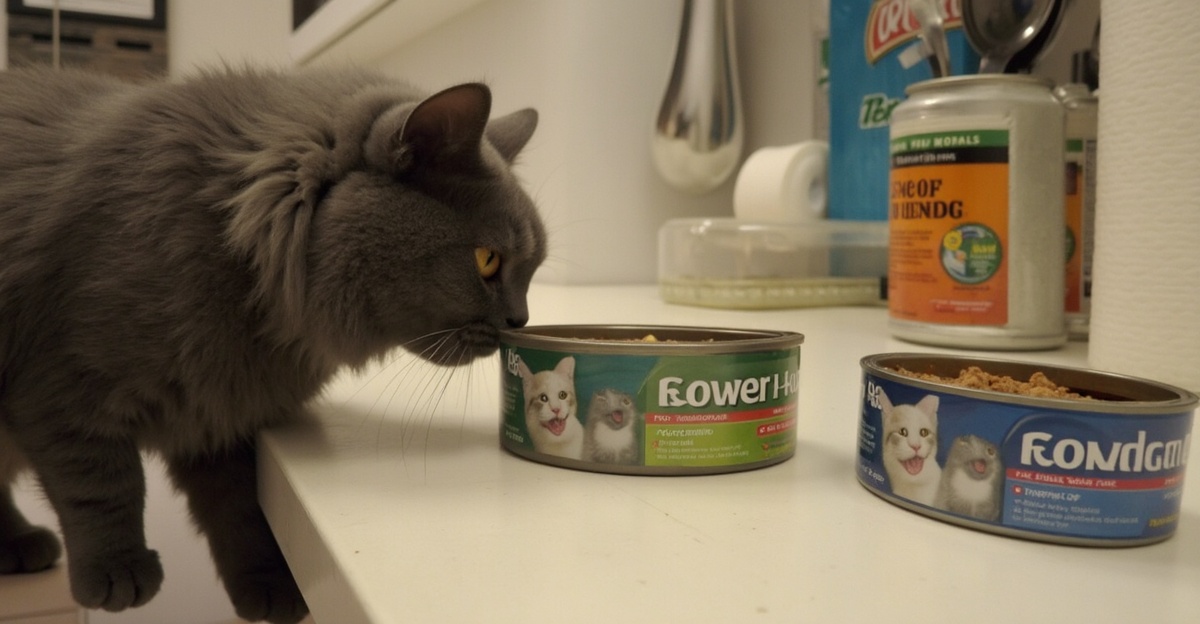
Cats are obligate carnivores with a naturally low thirst drive — a holdover from their desert-dwelling ancestors. Wet food addresses both of these biological facts: it delivers animal protein in a form cats are designed to eat, and its 75-80% moisture content keeps cats hydrated without relying solely on them drinking from a bowl. Chronic dehydration is a leading contributor to kidney disease and urinary issues in cats, making wet food a genuinely preventive dietary choice.
Why Wet Food Over Dry
- Hydration: A cat eating wet food gets 3-4x more water daily than one eating only kibble.
- Protein quality: Wet food typically has higher meat content and fewer carbohydrate fillers than dry food.
- Weight management: Lower calorie density per volume means cats feel full on fewer calories.
- Palatability: Cats with dental issues, senior cats, and picky eaters almost always prefer wet food.
Top 6 Wet Cat Foods
1. Tiki Cat Luau Variety Pack — Best Overall
Tiki Cat consistently tops veterinary nutritionist recommendations for wet food. The Luau line features shredded real fish and chicken in broth — you can actually identify the protein when you open the can. No carrageenan, no grains, no artificial anything. The moisture content averages 82%, which is among the highest in the category.
The variety pack includes six flavors, which is important because cats are notoriously prone to developing protein-specific preferences (and then refusing everything else).
| Pros | Cons |
|---|---|
| Visible real protein — no mystery mush | Premium price ($1.50+/can) |
| Highest moisture content tested | Shredded texture not for all cats |
| No artificial ingredients or fillers | Strong fish smell |
| Multiple flavor variety packs | Not available in all stores |
2. Weruva Cats in the Kitchen — Best Texture Variety
Weruva offers pate, shredded, and gravy textures — crucial because many cats have strong texture preferences. The “Cats in the Kitchen” line uses whole ingredients you can see: real chicken thigh, pumpkin, and tuna. No carrageenan, BPA-free cans, and the brand has a transparent sourcing policy that lists their suppliers.
3. Fancy Feast Classic Pate — Best Budget
Veterinarians have quietly recommended Fancy Feast Classic Pate for decades because the nutritional profile is surprisingly solid for the price. The pate formulas (not the gravy or flaked versions) have high protein, moderate fat, and low carbohydrates. At roughly $0.60-0.80 per can, feeding wet food daily becomes affordable. Our vet consultants specifically endorsed the turkey, chicken, and ocean whitefish varieties.
4. Instinct Original Grain-Free Pate — Best High-Protein
At 10%+ protein (on a wet-weight basis), Instinct’s pate delivers more muscle-building nutrition per can than most competitors. Real chicken is the first ingredient, followed by chicken liver and chicken broth. No grains, no fillers, and the pate texture breaks apart easily for portion control. Recommended for active cats and growing kittens.
5. Hill’s Science Diet Adult Tender Dinners — Best Vet-Prescribed
Hill’s is the brand most veterinarians stock in their clinics, and for good reason — their formulas undergo feeding trials (not just lab analysis) to verify real-world digestibility. The Tender Dinners line offers balanced nutrition with added vitamins and minerals that support immune health. Less exciting from an ingredient standpoint, but backed by more clinical research than any other brand on this list.
6. Ziwi Peak Canned Cat Food — Best Premium
Made in New Zealand from free-range, grass-fed animals, Ziwi Peak is the ultra-premium option for owners who want the absolute best ingredients regardless of cost. 92% meat, organs, and bone — no fillers, no gels, no unnecessary supplements. The cans contain real identifiable chunks of protein. At $4+ per 6.5oz can, it’s a significant investment, but the ingredient quality is unmatched.
Comparison Table
| Brand | Best For | Protein % | Texture | Price/Can |
|---|---|---|---|---|
| Tiki Cat Luau | Overall | 9%+ | Shredded | $$$ |
| Weruva Kitchen | Texture variety | 8%+ | Multiple | $$$ |
| Fancy Feast Pate | Budget | 8%+ | Pate | $ |
| Instinct Pate | High-protein | 10%+ | Pate | $$$ |
| Hill’s Science | Vet-backed | 7%+ | Chunks | $$ |
| Ziwi Peak | Premium | 10%+ | Chunks | $$$$ |
How to Read a Wet Cat Food Label Without Getting Fooled
The front of a wet cat food can tells you what the brand wants you to notice. The back label tells you what you are actually feeding. For most adult cats, start with three checks: the AAFCO statement, the first few ingredients, and the guaranteed analysis. A useful food should say it is complete and balanced for adult maintenance or all life stages, not just intended for supplemental feeding.
| Label Item | What to Look For | Why It Matters |
|---|---|---|
| AAFCO statement | Complete and balanced for adult cats or all life stages | Helps avoid treat-style foods being used as the main diet |
| Protein source | Named meat, poultry, fish, or organ protein near the top | Cats need animal-based protein, not just plant fillers |
| Texture | Pate, shreds, minced, or chunks your cat will reliably eat | The best formula is useless if half the can gets refused |
| Calories | Calories per can or tray, not just feeding suggestions | Wet food varies widely in calorie density |
Do not compare wet foods only by crude protein on the label. Wet foods contain a lot of moisture, so percentages can look lower than dry food even when the food is appropriate. If your cat has kidney disease, diabetes, urinary issues, allergies, or a history of pancreatitis, use your veterinarian’s diet guidance instead of relying on generic internet rankings.
Buyer Fit: Pate, Shreds, or Broth-Heavy Food?
Best for picky cats: variety packs are useful because texture can matter more than flavor. Some cats lick gravy and leave chunks. Others eat pate cleanly but ignore shredded meat. Buy small packs first until you know the texture your cat finishes consistently.
Skip if your cat needs calorie control: rich gravy-style foods and large cans can make portions harder to manage. For overweight indoor cats, choose formulas with clear calorie labeling and use a kitchen scale or measured spoon until the routine is stable.
Best for hydration support: broth-heavy wet foods can help cats that do not drink much water, especially if they eat mostly dry food now. You can also add a spoon of warm water to pate to increase moisture without changing the food.
Skip if you are managing a medical diet: do not rotate random flavors if your vet has recommended a urinary, renal, diabetic, or limited-ingredient formula. Consistency matters more than novelty in those cases.
Portioning and Storage Mistakes That Waste Money
Wet cat food gets expensive when portions are guessed. Start with the calorie amount on the can, then compare it with your cat’s body condition, age, and activity level. A small, inactive indoor cat may need far less than a young, lean, high-energy cat. If you feed both wet and dry, subtract the dry food calories instead of adding wet food on top.
Once opened, cover the can and refrigerate it. Most cats dislike cold food straight from the fridge, so warm the next serving slightly with a small splash of warm water. Do not microwave metal cans, and do not leave wet food out all day. If your cat grazes, offer smaller servings more often or use wet food for set meals and dry food for controlled grazing.
The practical goal is not to find a perfect can forever. It is to find a complete food your cat eats reliably, digests well, and fits your budget week after week.
Related adult cat food guides: Wet food can also help cats prone to hairballs, so compare this list with our hairball control cat food guide. If your cat lives indoors only, our indoor cat food guide covers calorie and activity-level differences.
Frequently Asked Questions
Can I feed my cat only wet food?
Yes. Wet food can be a complete diet as long as it meets AAFCO standards for “complete and balanced nutrition.” Many veterinarians actually prefer an all-wet diet for cats due to the hydration and protein benefits. Check the label for the AAFCO statement.
How much wet food should I feed my cat daily?
A typical 10-pound adult cat needs 200-250 calories per day. Most wet food cans provide calorie counts on the label. A rough guide: two 5.5oz cans per day for an average adult cat, split into 2-3 meals. Adjust based on weight trends and your vet’s recommendations.
How long can wet food sit out?
No more than 2 hours at room temperature. After that, bacteria growth makes it unsafe. Refrigerate unused portions in a sealed container for up to 3 days. Warm refrigerated food to room temperature before serving — most cats reject cold food.
Pair quality wet food with a cat water fountain to maximize hydration. And for cats with specific dietary needs, our indoor cat food guide covers specialized formulas.
Pet Product Specialist & Veterinary Nutrition Consultant
Sarah has spent over 8 years reviewing pet products and consulting with veterinarians to help pet owners make informed choices. She shares her home with two rescue dogs, a senior cat, and a very opinionated parrot. Her reviews combine hands-on testing with science-backed research.
Disclosure: This post contains affiliate links. If you purchase through our links, we may earn a small commission at no extra cost to you. Learn more.