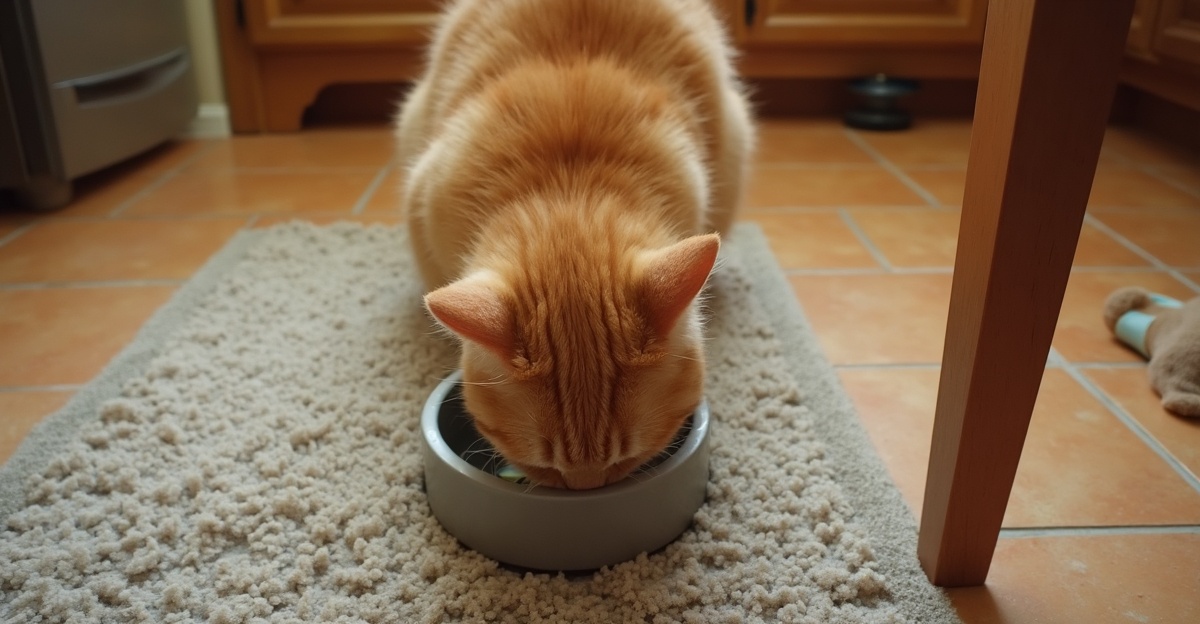
Your indoor cat burns fewer calories, deals with more hairballs, and has zero opportunity to supplement their diet with backyard hunting. That means the kibble or wet food sitting in their bowl needs to do a lot of heavy lifting. The wrong formula leads to weight gain, dull coats, and litter box disasters. The right one keeps them lean, energized, and shedding less fur on your black sweater.
We dug through veterinary nutrition research, ingredient panels, and real owner feedback to narrow down the five indoor cat foods that actually deliver on their promises. No marketing hype — just formulas that work.
What Makes Indoor Cat Food Different?
Indoor cats have specific dietary needs that standard cat food doesn’t always address:
- Lower calorie density: Less activity means fewer calories needed. Indoor formulas typically run 10-15% fewer calories per cup.
- Higher fiber content: Fiber helps move hairballs through the digestive tract instead of onto your carpet. Look for 5%+ crude fiber.
- Controlled fat levels: Fat keeps coats shiny, but too much leads to obesity. Indoor formulas balance this at around 12-15% fat.
- L-carnitine: This amino acid helps convert fat into energy. Several vet-recommended brands include it specifically for weight management.
Top 5 Indoor Cat Foods of 2026
1. Hill’s Science Diet Adult Indoor — Best Overall
Hill’s has been the default veterinary recommendation for decades, and the Indoor formula justifies that reputation. The protein comes from chicken, not meat by-products, and the fiber blend uses natural beet pulp to manage hairballs without upsetting digestion. At roughly 357 calories per cup, it’s calibrated for cats whose biggest daily exercise is jumping onto the couch.
What sets Hill’s apart is the clinical backing. This isn’t a marketing claim — the formula was developed with board-certified veterinary nutritionists and undergoes feeding trials, not just lab analysis. Cats on this food consistently maintain healthy weight without portion-counting drama.
- Protein: 31.6% (chicken-based)
- Fiber: 5.8% (beet pulp + cellulose)
- Calories: 357 kcal/cup
- Key feature: Clinically proven hairball reduction
| Pros | Cons |
|---|---|
| Veterinarian-developed formula | Premium price point (~$42/15.5lb bag) |
| Proven hairball control | Some cats dislike the kibble shape |
| No artificial colors, flavors, or preservatives | Only chicken flavor available |
| Feeding trial tested, not just formulated | Contains some grain ingredients |
2. Blue Buffalo Indoor Health — Best Natural Option
Blue Buffalo built their brand on the “no by-products, no corn/wheat/soy” promise, and the Indoor Health formula follows through. Real deboned chicken leads the ingredient list, followed by brown rice and barley for slow-release energy. The LifeSource Bits — those dark kibble pieces mixed in — contain a concentrated blend of antioxidants, vitamins, and minerals processed at lower temperatures to preserve potency.
The fiber level is solid at 7%, which is higher than most competitors. Owners consistently report fewer hairballs within the first two weeks of switching. The trade-off is a slightly higher price tag, but the ingredient quality justifies it.
- Protein: 32% (deboned chicken)
- Fiber: 7% (cellulose + pea fiber)
- Calories: 376 kcal/cup
- Key feature: LifeSource antioxidant bits
| Pros | Cons |
|---|---|
| No poultry by-products or corn/wheat/soy | Higher calorie count per cup |
| High fiber for excellent hairball control | Some cats pick around the LifeSource Bits |
| Multiple protein sources for amino acid variety | Pricier than grocery store brands |
3. Purina ONE Indoor Advantage — Best Value
Not everyone wants to spend $40+ on cat food, and Purina ONE proves you don’t have to. The Indoor Advantage formula uses real turkey as the first ingredient and includes a fiber blend that targets both hairballs and digestive health. At roughly $20 for a 16-pound bag, it’s half the price of premium brands while still delivering solid nutrition.
The 0% filler promise means no added artificial flavors or fillers. The protein level is competitive at 34%, and the omega-6 fatty acids keep coats looking healthy even in dry indoor air. It’s the practical choice for multi-cat households where premium pricing adds up fast.
- Protein: 34% (real turkey)
- Fiber: 4.5%
- Calories: 388 kcal/cup
- Key feature: Best price-per-pound ratio
4. Iams ProActive Health Indoor — Best for Weight Control
Iams took a straightforward approach with this formula: cut the fat, boost the protein, add L-carnitine, and let the cat’s metabolism do the rest. At 10% fat (the lowest on this list) and 36% protein, it actively supports lean muscle maintenance while discouraging fat storage. The L-carnitine inclusion is the key differentiator — it’s an amino acid that helps the body use stored fat for energy.
The chicken-and-turkey protein base provides excellent amino acid variety, and the beet pulp fiber keeps digestion regular. This is the formula to reach for if your vet has already mentioned your cat needs to lose a pound or two.
- Protein: 36% (chicken + turkey)
- Fat: 10% (lowest in category)
- Calories: 335 kcal/cup
- Key feature: L-carnitine for fat metabolism
5. Royal Canin Indoor Adult — Best for Picky Eaters
Some cats would rather starve than eat a kibble that doesn’t meet their inexplicable standards. Royal Canin designed the Indoor Adult formula with a specific kibble shape and texture profile that appeals to cats who reject other brands. It sounds like marketing nonsense until you read the reviews from desperate owners whose cats finally ate something consistently.
Beyond palatability, the formula is solid: chicken meal protein, a blend of fibers for hairball and stool odor management, and precise calorie control at 345 kcal/cup. Royal Canin’s research facility in France runs extensive palatability testing, which is why their acceptance rates tend to be higher than competitors.
- Protein: 27% (chicken meal)
- Fiber: 5.7%
- Calories: 345 kcal/cup
- Key feature: Superior palatability for fussy cats
Indoor Cat Food Comparison
| Brand | Protein | Fiber | Cal/Cup | Best For | Price |
|---|---|---|---|---|---|
| Hill’s Science Diet | 31.6% | 5.8% | 357 | Overall | $$$ |
| Blue Buffalo | 32% | 7% | 376 | Natural | $$$ |
| Purina ONE | 34% | 4.5% | 388 | Value | $$ |
| Iams ProActive | 36% | 4% | 335 | Weight Control | $$ |
| Royal Canin | 27% | 5.7% | 345 | Picky Eaters | $$$$ |
Related indoor cat food guides: Indoor cats often groom more, so hairball control formulas may be useful if vomiting or loose fur is a pattern. If you prefer moisture-rich meals, compare our wet cat food picks.
Indoor Cat Food: Calories, Hairballs, and Hydration
Indoor cats usually burn fewer calories than outdoor cats, so the right food often comes down to calorie control and body condition. A formula can be high quality and still be wrong if the serving size quietly pushes the cat into weight gain. Check calories per cup or can, then measure meals instead of free-pouring from the bag.
Hairball support is useful for some cats, but hydration and grooming matter too. Wet food, water fountains, regular brushing, and a clean litter box routine can all affect how an indoor cat feels day to day. If your cat is losing weight, vomiting often, drinking much more than usual, or refusing food, that is a vet issue rather than a food-ranking issue.
| Indoor Cat Need | Food Priority | Watch Out For |
|---|---|---|
| Weight control | Measured calories and high satiety | Free-feeding calorie-dense kibble |
| Hairballs | Fiber support plus grooming | Assuming food alone fixes frequent vomiting |
| Picky eating | Texture and aroma the cat accepts | Changing foods too quickly |
| Low water intake | Wet food or mixed feeding | Only dry food for a cat that barely drinks |
Frequently Asked Questions
How much should I feed my indoor cat?
Most indoor cats need 200-300 calories per day, depending on their weight and activity level. A 10-pound indoor cat typically needs about 240 calories daily. Check the feeding guidelines on your chosen brand and adjust based on whether your cat is gaining or losing weight over 2-3 weeks. Your vet can provide a precise recommendation during annual checkups.
Should I mix wet and dry food for my indoor cat?
Combining wet and dry food is often the best approach. Wet food adds hydration (indoor cats tend to drink less water), while dry food helps with dental health and is more economical for daily feeding. A common ratio is 75% dry and 25% wet by calorie count.
Is grain-free food better for indoor cats?
Not necessarily. The FDA has investigated a potential link between grain-free diets and heart disease (dilated cardiomyopathy) in pets. Unless your cat has a diagnosed grain allergy confirmed by your vet, standard formulas with grains like rice and barley are generally safe and provide beneficial fiber.
How do I transition my cat to a new food?
Never switch abruptly — it causes digestive upset. Mix 25% new food with 75% old food for 2-3 days, then 50/50 for 2-3 days, then 75% new for 2-3 days, then fully switch. The entire transition should take about 7-10 days. If your cat vomits or has diarrhea, slow down the transition pace.
The Bottom Line
Hill’s Science Diet Indoor earns our top spot for its veterinary-backed formula and proven hairball control. If you’re budget-conscious, Purina ONE Indoor Advantage delivers surprisingly good nutrition at half the price. And if your cat turns their nose up at everything else, Royal Canin Indoor has the highest palatability acceptance rate in the category.
Whichever formula you choose, the most important thing is consistency. Stick with it for at least 3-4 weeks before judging results — your cat’s coat, energy, and litter box habits will tell you whether you’ve found the right match.
Shop Best Indoor Cat Food on Amazon
Related reading: Best Self-Cleaning Litter Box 2026 | Best Cat Water Fountain 2026
Disclosure: This post contains affiliate links. If you purchase through our links, we may earn a small commission at no extra cost to you. Learn more.