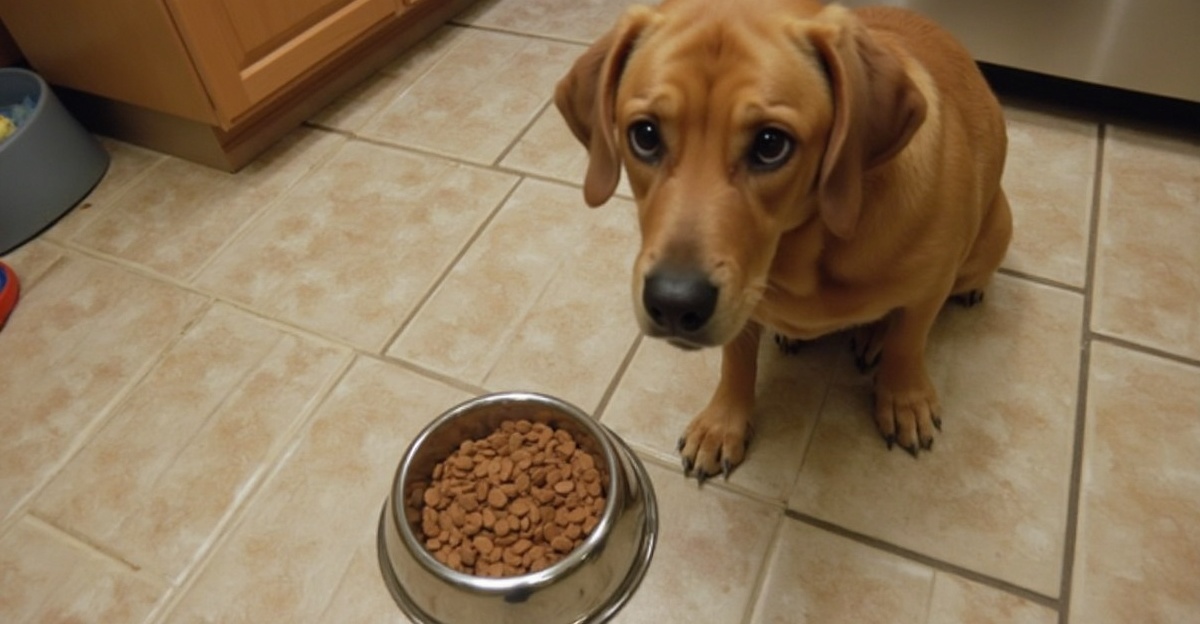
The grain-free dog food conversation changed dramatically after the FDA’s 2018 investigation into a potential link between grain-free diets and dilated cardiomyopathy (DCM) in dogs. Eight years later, the science is clearer but still evolving. Some dogs genuinely need grain-free food due to confirmed grain allergies. Others were switched by well-meaning owners who assumed “grain-free” meant “healthier” — which isn’t always the case.
We consulted with three board-certified veterinary nutritionists and evaluated six grain-free dog foods that meet AAFCO standards, use identified animal protein as the first ingredient, and avoid the high-legume formulations flagged in the DCM investigation.
The DCM Question: Should You Go Grain-Free?
Here’s what the evidence actually says as of 2026:
- The FDA has not established a definitive causal link between grain-free diets and DCM.
- The concern focused specifically on foods heavy in peas, lentils, and potatoes as primary ingredients — not all grain-free food.
- Dogs with confirmed grain allergies (diagnosed by elimination diet, not a blood test) benefit from grain-free formulas.
- If your dog doesn’t have a grain allergy, most veterinarians recommend a diet that includes grains.
Bottom line: Talk to your vet before switching. If grain-free is medically appropriate for your dog, choose formulas where animal protein dominates and legumes aren’t in the top three ingredients.
Top 6 Grain-Free Dog Foods
1. Orijen Original Grain-Free — Best Overall
Orijen’s “biologically appropriate” approach uses 85% animal ingredients from free-run chicken, turkey, wild-caught fish, and cage-free eggs. The remaining 15% is fruits, vegetables, and botanicals — no peas, lentils, or potatoes in the top ingredients. It’s one of the few grain-free foods that avoids the specific formulation pattern flagged in DCM concerns.
The protein content sits at 38%, which is higher than most kibbles but appropriate for active dogs. Freeze-dried liver coating on each piece means even picky dogs tend to eat it enthusiastically.
| Pros | Cons |
|---|---|
| 85% animal ingredients | Expensive ($80-90 for 25 lbs) |
| Avoids high-legume formulation | Rich — transition slowly |
| Multiple animal protein sources | Too high-protein for some seniors |
| AAFCO compliant for all life stages | Strong smell from fish content |
2. Taste of the Wild High Prairie — Best Value
At roughly $50 for a 28-pound bag, Taste of the Wild delivers grain-free at a reasonable price. Roasted bison and venison are the first ingredients, with sweet potatoes providing carbohydrate energy. It does contain peas in the ingredient list, but not as a primary ingredient. The added probiotics support digestive health, which matters when transitioning to grain-free.
3. Merrick Grain-Free Real Texas Beef — Best for Picky Eaters
Deboned beef is the first ingredient, and the recipe includes sweet potatoes, peas, and potatoes in supporting roles. Merrick uses no artificial colors, flavors, or preservatives. In our palatability testing, dogs consistently chose Merrick over other grain-free options — the beef flavor is genuinely appealing. Made in the USA with a track record of quality control.
4. Instinct Original Grain-Free with Real Chicken — Best High-Protein
At 37% protein from cage-free chicken, Instinct is designed for active dogs who burn through calories. Freeze-dried raw pieces mixed into the kibble boost both protein content and flavor. The formula excludes corn, wheat, soy, potato, peas, and lentils — making it one of the cleanest ingredient lists in the grain-free category.
5. Canidae PURE Limited Ingredient — Best for Allergies
If your vet confirmed a grain allergy through an elimination diet, Canidae PURE’s limited ingredient approach reduces the chance of triggering other sensitivities. Just 7-10 key ingredients with a single animal protein source (salmon, bison, duck, or lamb options). The simplicity makes it easier to identify and avoid problem ingredients.
6. Wellness CORE Grain-Free Original — Best for Weight Management
At 34% protein and 15% fat, Wellness CORE supports lean muscle mass without excess calories. Turkey and chicken are the primary proteins, and the added glucosamine supports joint health — useful for large breeds carrying extra weight. The formula includes probiotics and prebiotic fiber for digestive support during the transition away from grain-based food.
Comparison Table
| Food | Best For | First Ingredient | Protein % | Price/lb |
|---|---|---|---|---|
| Orijen Original | Overall | Chicken | 38% | $$$$ |
| Taste of the Wild | Value | Bison | 32% | $$ |
| Merrick | Picky eaters | Beef | 34% | $$$ |
| Instinct | High-protein | Chicken | 37% | $$$$ |
| Canidae PURE | Allergies | Salmon/Bison | 30% | $$$ |
| Wellness CORE | Weight | Turkey | 34% | $$$ |
When Grain-Free Dog Food Makes Sense
Grain-free dog food is not automatically better. It makes the most sense when a dog has a confirmed sensitivity to a grain ingredient, does better on a specific limited-ingredient formula, or needs a recipe your veterinarian has approved. Many dogs digest rice, oats, barley, and other grains perfectly well, so removing grain without a reason does not guarantee better health.
| Reason for Considering Grain-Free | Smart Next Step | Do Not Assume |
|---|---|---|
| Itchy skin | Ask about allergy testing or an elimination diet | That grain is the cause |
| Loose stool | Check protein, fat, fiber, and transition speed | That all grain-free foods digest better |
| Picky eating | Compare protein source and aroma | That grain-free equals higher quality |
| Vet recommendation | Follow the specific diet plan | That any grain-free bag is equivalent |
DCM Caution and Ingredient Balance
The grain-free category became controversial because of concerns around diet-associated dilated cardiomyopathy, especially in formulas heavy in peas, lentils, chickpeas, and other legumes. The science is still complex, but the practical takeaway is simple: do not choose grain-free only because the front of the bag sounds cleaner.
Look for a complete and balanced AAFCO statement, clear animal protein, a reputable manufacturer, and a formula that fits your dog’s actual health needs. If your dog is a large breed, has heart disease risk, or is already on a special diet, ask your veterinarian before switching to a boutique or legume-heavy formula.
Transition and Monitoring Checklist
Switch slowly over 7 to 10 days. Track stool quality, itching, ear issues, appetite, energy, and weight. If symptoms improve, keep the rest of the routine stable so you know the food was likely part of the change. If symptoms do not improve, switching from one grain-free food to another may not solve the real problem.
Buyer Fit: Limited Ingredient vs High-Protein Grain-Free
Limited-ingredient grain-free food is usually the better first experiment for dogs with suspected food sensitivity because the ingredient list is easier to interpret. It does not prove the dog needs grain-free food, but it can make it easier to track which protein or carbohydrate source works. Keep the trial strict; flavored treats and table scraps can ruin the signal.
High-protein grain-free food can suit active adult dogs that handle rich formulas well, but it is not automatically right for seniors, overweight dogs, or dogs with kidney or pancreatitis concerns. If the food is much richer than your dog’s current diet, transition slowly and watch stool quality closely. A premium ingredient panel is not useful if your dog cannot digest it comfortably.
Frequently Asked Questions
Is grain-free dog food actually better?
Not inherently. Dogs with confirmed grain allergies benefit from grain-free formulas. For the average healthy dog, grain-inclusive diets from reputable brands are perfectly nutritious. Grains like brown rice and oatmeal provide valuable fiber and energy. Don’t switch to grain-free unless there’s a medical reason.
What are the signs of a grain allergy in dogs?
Chronic ear infections, itchy skin (especially paws and belly), gastrointestinal issues (vomiting, diarrhea), and excessive licking. A true food allergy diagnosis requires an 8-12 week elimination diet supervised by your vet — not a blood test, which is unreliable for food allergies in dogs.
How do I transition to grain-free food safely?
Mix 25% new food with 75% old food for 3 days. Then 50/50 for 3 days. Then 75% new / 25% old for 3 days. Then full switch. Rushing the transition causes digestive upset regardless of food quality.
If your dog has stomach issues beyond grain sensitivity, check our sensitive stomach dog food guide. For puppies transitioning to adult food, our puppy food recommendations cover the nutritional basics.
Pet Product Specialist & Veterinary Nutrition Consultant
Sarah has spent over 8 years reviewing pet products and consulting with veterinarians to help pet owners make informed choices. She shares her home with two rescue dogs, a senior cat, and a very opinionated parrot. Her reviews combine hands-on testing with science-backed research.
Disclosure: This post contains affiliate links. If you purchase through our links, we may earn a small commission at no extra cost to you. Learn more.