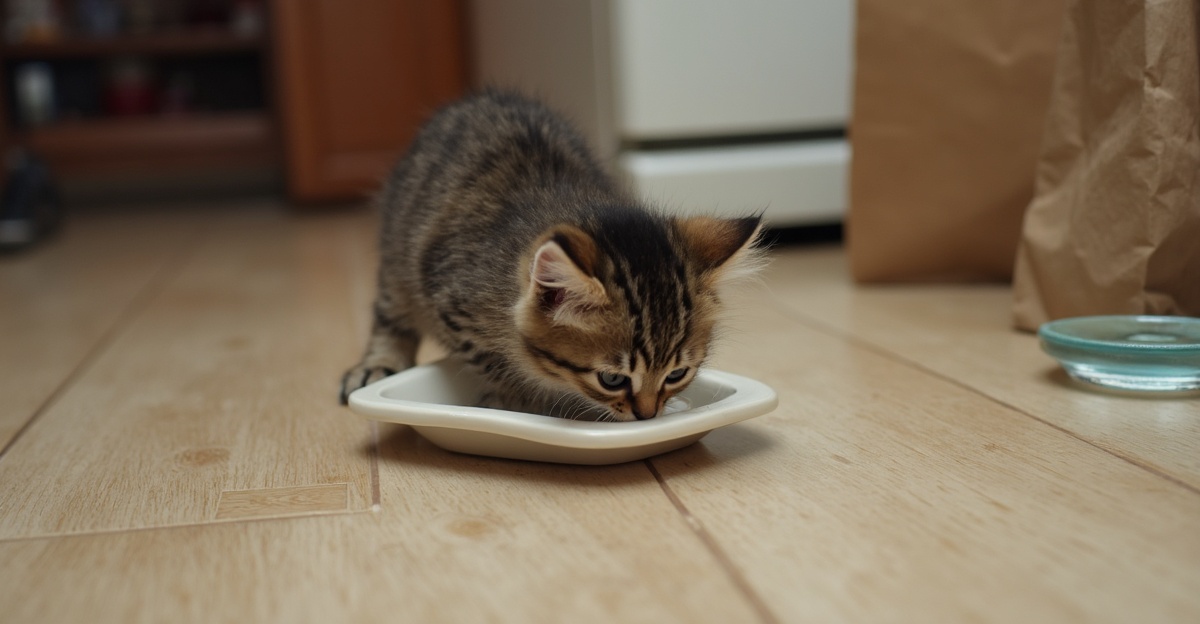
Kittens grow at an absurd rate. In their first year, they’ll gain 40x their birth weight, develop their entire skeletal structure, and build the immune system that protects them for life. The food you choose during this window has outsized impact — more than any other dietary decision you’ll make for your cat. We reviewed six kitten foods with input from two feline nutritionists, focusing on protein quality, fat content for brain development, and the DHA and calcium levels that research links to healthy growth.
What Kittens Need Nutritionally
- High protein (30-50%): Kittens need roughly twice the protein per pound of body weight as adult cats. Animal-sourced protein is non-negotiable for obligate carnivores.
- High fat (18-35%): Fat provides concentrated calories for rapid growth and supplies DHA for brain and eye development.
- Calcium and phosphorus: Critical for bone development. The ratio matters — look for 1.0-1.5:1 calcium to phosphorus.
- DHA: The omega-3 fatty acid that supports neural development. Found in fish oils and egg yolks.
- Small kibble/soft texture: Kittens have tiny mouths and developing teeth. The food must be physically easy to eat.
Top 6 Kitten Foods
1. Royal Canin Kitten — Best Overall
Royal Canin’s kitten formula is the product of decades of feline nutrition research and feeding trials. The kibble is specifically shaped and sized for kitten mouths, and the macronutrient balance (36% protein, 18% fat) aligns with veterinary nutritional guidelines precisely. Added DHA, antioxidants for immune support, and highly digestible proteins make this the safe, science-backed default choice.
| Pros | Cons |
|---|---|
| Backed by feeding trials | Contains by-products and corn |
| Kitten-specific kibble shape | Mid-premium price |
| Precise DHA and calcium levels | Not grain-free |
| Excellent palatability | Some cats outgrow the taste |
2. Instinct Kitten Grain-Free Pate — Best Wet Food
For the critical weaning period (4-8 weeks), a soft pate with high protein and moisture is ideal. Instinct Kitten delivers 11% protein and 6% fat in a smooth pate that even tiny kittens can eat. Cage-free chicken is the first ingredient, with added DHA from chicken fat and salmon oil. No grains, no fillers, and the single-source protein is excellent for kittens with developing digestive systems.
3. Blue Buffalo Healthy Growth Kitten — Best Natural Dry
Deboned chicken as the first ingredient, DHA from fish oil for brain development, and Blue’s antioxidant-rich LifeSource Bits. No chicken by-products, corn, wheat, or soy. The small kibble size works well for kittens from 3 months onward. The ARA and DHA levels support the cognitive development that happens rapidly during months 3-8.
4. Purina ONE Healthy Kitten — Best Budget
Real chicken is the first ingredient, DHA is included for brain and vision development, and the price is roughly half of premium options. Purina ONE kitten formula is made in the USA and has been reformulated multiple times based on nutritional research. For owners feeding multiple kittens or working with a tight budget, this delivers solid nutrition without breaking the bank.
5. Wellness CORE Kitten — Best High-Protein
At 40%+ protein from turkey and deboned chicken, this is among the highest-protein kitten formulas available. The grain-free recipe includes DHA, probiotics, and antioxidants. Wellness CORE is designed for the rapid muscle development that happens between 4-10 months and provides calorie density that active, growing kittens need.
6. Hill’s Science Diet Kitten — Best for Sensitive Stomachs
Kittens with frequent digestive upset benefit from Hill’s clinically formulated approach. The highly digestible protein sources and balanced fiber help regulate stool quality. Like all Hill’s products, this formula has undergone actual feeding trials, not just lab nutrient analysis. The veterinary pedigree gives confidence for kittens with health concerns.
Comparison Table
| Food | Best For | Type | Protein % | DHA Added | Price |
|---|---|---|---|---|---|
| Royal Canin | Overall | Dry | 36% | Yes | $$$ |
| Instinct | Wet food | Pate | 11% (wet) | Yes | $$$ |
| Blue Buffalo | Natural dry | Dry | 36% | Yes | $$$ |
| Purina ONE | Budget | Dry | 34% | Yes | $ |
| Wellness CORE | High-protein | Dry | 40%+ | Yes | $$$$ |
| Hill’s Kitten | Sensitive stomach | Dry | 35% | Yes | $$$ |
How to Choose Kitten Food by Age and Growth Stage
Kittens do not eat like adult cats. They need more calories per pound, more protein, and a mineral balance that supports bone and muscle growth without overloading the diet. The safest shortcut is to look for a formula labeled for growth or all life stages under AAFCO nutrient profiles, then match the texture and calorie density to your kitten’s age.
| Kitten Age | What Matters Most | Food Texture | Buying Note |
|---|---|---|---|
| 4-8 weeks | Transition from milk to solid food | Soft wet food or softened kibble | Avoid hard-only diets if chewing is still weak |
| 2-4 months | Fast growth and frequent meals | Wet food plus small kitten kibble | Choose calorie-dense formulas made for kittens |
| 4-8 months | Steady growth and habit building | Mixed wet/dry or complete dry kitten food | Watch stool quality when changing proteins |
| 8-12 months | Transition planning | Kitten food until growth slows | Ask your vet when to move to adult food, especially after spay/neuter |
Very small kittens usually do better with several small meals rather than two large meals. If your kitten is underweight, recovering from illness, or was recently adopted from a shelter, ask your veterinarian before restricting portions. Growth is not the time to chase a diet trend.
Buyer Fit: Dry, Wet, or Mixed Feeding?
Best for picky kittens: wet food often wins because aroma and texture matter. It is also useful for kittens that do not drink much water. Choose small cans or trays at first so you are not wasting large portions while learning what your kitten accepts.
Skip if you need food left out all day: wet food spoils faster and should not sit in a bowl for hours. If your schedule requires free-feeding, a kitten kibble or a mixed routine may be more practical. Dry food also works better in puzzle feeders once your kitten is old enough to chew it comfortably.
Best for budget control: mixed feeding is often the most realistic plan. Use wet food for moisture and appetite, then use a measured kitten kibble for calories and convenience. This can keep costs lower without forcing a dry-only diet.
Skip if your kitten has vomiting, diarrhea, or poor weight gain: do not keep switching foods every few days. Frequent changes can make the problem harder to read. Pick one complete kitten formula, transition slowly when possible, and call your vet if symptoms continue.
Ingredient and Label Checks That Actually Matter
Do not judge kitten food by the front of the bag alone. Marketing words like premium, holistic, or natural are less useful than the nutrition statement and ingredient pattern. Look for an AAFCO statement for growth or all life stages, an animal protein near the top of the list, and clear feeding directions for kittens by age or weight.
Chicken, turkey, fish, beef, and egg can all work if the formula is complete and balanced. The bigger concern is whether your kitten tolerates the food. Soft stool, repeated vomiting, heavy itching, or poor appetite are signs to slow down and reassess. For kittens with suspected allergies or chronic digestive issues, use your veterinarian instead of guessing through six different bags.
Be careful with adult maintenance formulas. Adult cat food may not deliver the calorie density and nutrient balance a growing kitten needs. Also avoid dog food, homemade diets without veterinary formulation, and raw diets for young kittens. Kittens have less margin for nutritional mistakes than healthy adult cats.
When to Ask a Vet Before Buying More Food
Food can solve normal preference and convenience problems. It cannot diagnose parasites, dental pain, infections, or congenital issues. Book a vet visit if your kitten is not gaining weight, has persistent diarrhea, vomits repeatedly, refuses food for more than a day, or seems weak after eating. These are not shopping problems.
For most healthy kittens, the best choice is simple: a complete kitten formula they eat consistently, offered in age-appropriate portions, with gradual transitions when you change brands. Once that foundation is right, the exact brand matters less than consistency, digestibility, and whether the food fits your daily routine.
Related cat food guides: If your kitten prefers softer textures, compare these picks with our wet formulas suited to kittens still nursing or weaning. Once they grow into indoor adults, our indoor cat food picks can help you adjust calories and fiber.
Frequently Asked Questions
When should kittens start eating solid food?
Around 4 weeks old, kittens can begin sampling soft wet food alongside nursing. By 6-8 weeks, most are fully weaned and eating kitten food exclusively. Start with pate or gruel (kibble soaked in warm water) and gradually transition to standard texture.
When should I switch from kitten to adult food?
Most cats should transition at 12 months. Large breeds like Maine Coons may benefit from kitten food until 18-24 months due to their slower growth rate. Transition gradually over 7-10 days to avoid digestive upset.
Wet or dry food for kittens?
Both have advantages. Wet food is easier for young kittens to eat and provides hydration. Dry food is convenient and helps with dental development through chewing. Most feline nutritionists recommend feeding both — wet food as the primary diet with dry food available for grazing.
Once your kitten matures, transition to an adult formula like our indoor cat food picks. And keep them hydrated from the start with a cat water fountain.
Pet Product Specialist & Veterinary Nutrition Consultant
Sarah has spent over 8 years reviewing pet products and consulting with veterinarians to help pet owners make informed choices. She shares her home with two rescue dogs, a senior cat, and a very opinionated parrot. Her reviews combine hands-on testing with science-backed research.
Disclosure: This post contains affiliate links. If you purchase through our links, we may earn a small commission at no extra cost to you. Learn more.