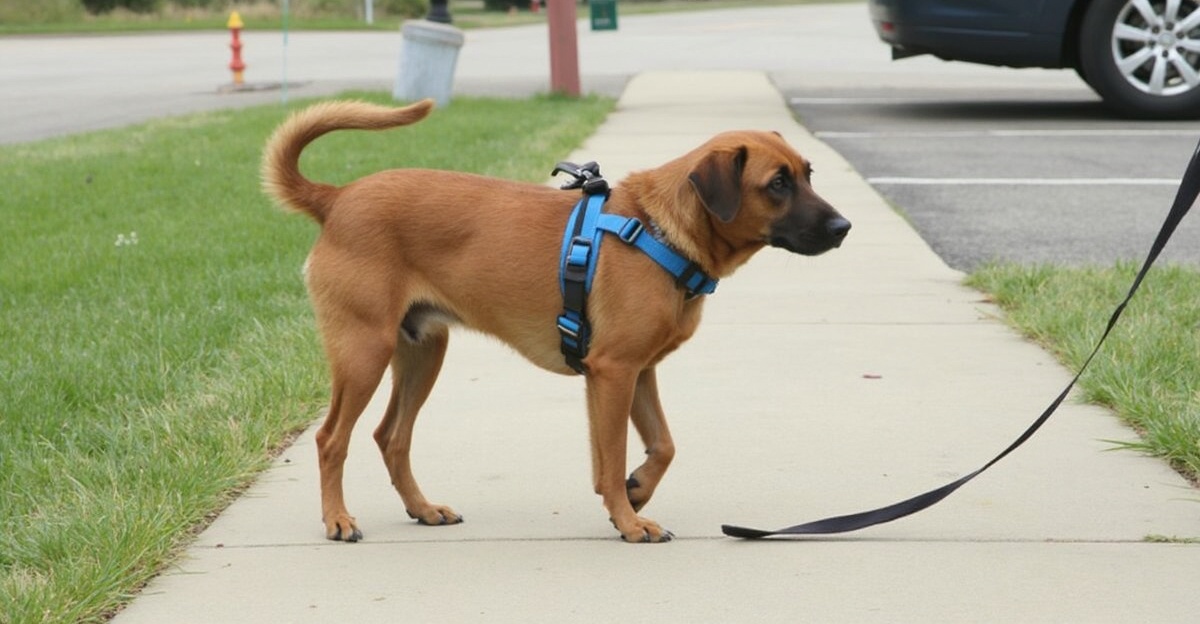
A 70-pound dog that pulls on leash can generate over 100 pounds of force in a lunge. That’s enough to yank you off your feet, injure your shoulder, or snap a standard clip. Traditional collars make the problem worse by putting all that pressure on the dog’s throat, which can damage the trachea over time. No-pull harnesses redirect force to the chest or body, giving you control without choking your dog.
We handed six popular no-pull harnesses to professional dog trainers and everyday owners with confirmed pullers. After three weeks of daily walks, here are the ones that made an actual difference.
How No-Pull Harnesses Work
There are two main approaches:
- Front-clip: The leash attaches at the chest. When the dog pulls forward, the harness redirects them to the side, naturally discouraging pulling. Best for moderate pullers.
- Dual-clip: Both a front and back attachment point. Use the front clip for training, then switch to the back clip once leash manners improve. Best for strong pullers who need progressive training.
Top 6 No-Pull Dog Harnesses
1. Ruffwear Front Range Harness — Best Overall
Ruffwear’s Front Range hits every mark: padded chest and belly panels for comfort, front and back leash points for versatility, and four adjustment points for a custom fit. The aluminum V-ring at the chest provides smooth leash redirection, and the foam-padded straps don’t chafe even on dogs with short fur.
Our test dogs ranged from a 30-pound Beagle to a 90-pound lab mix, and every handler reported noticeable pulling reduction within the first walk. The reflective trim is a nice bonus for evening walks.
| Pros | Cons |
|---|---|
| Dual leash attachment points | Can be tricky to put on the first time |
| Four adjustment straps for precise fit | Not ideal for extreme pullers over 100 lbs |
| Well-padded, no chafing | ID tag holder is small |
| Durable construction | Pricier than basic harnesses |
2. PetSafe Easy Walk Harness — Best Budget No-Pull
The Easy Walk has been the go-to recommendation from veterinarians and trainers for years, and the design hasn’t changed much because it works. The martingale-style loop at the chest tightens just enough to redirect without restricting breathing. At $20-25, it’s the most affordable effective no-pull solution we tested.
3. 2 Hounds Design Freedom Harness — Best for Strong Pullers
This harness comes with a special double-ended leash that connects to both front and back clips simultaneously. Having two points of contact gives you maximum control over powerful dogs. Trainers we consulted specifically recommended this for reactive dogs who lunge at other animals.
4. Rabbitgoo No-Pull Harness — Best Seller on Amazon
With over 100,000 reviews and a 4.4-star average, the Rabbitgoo has earned massive popularity through sheer value. It won’t match Ruffwear’s build quality or 2 Hounds’ training effectiveness, but for a $15-20 harness, the padded straps, easy-on design, and front leash attachment do a respectable job for mild to moderate pullers.
5. Blue-9 Balance Harness — Best for Training
Developed by a professional dog trainer, the Balance Harness has six adjustment points — more than any other harness on this list. That level of precision means it fits odd body shapes (deep chests, narrow waists) better than one-size-fits-range designs. The front clip sits low on the chest for optimal redirection angle.
6. Julius-K9 IDC Powerharness — Best for Working Dogs
The Julius-K9 is the harness you see on police and service dogs for a reason. The rigid handle on top gives you instant grab-and-control capability, and the heavy-duty construction handles dogs over 100 pounds without any flex. Note: this is a back-clip harness that doesn’t actively discourage pulling — it’s about control, not correction.
Comparison Table
| Harness | Best For | Clip Type | Size Range | Price |
|---|---|---|---|---|
| Ruffwear Front Range | Overall | Dual | 17-42″ chest | $$$ |
| PetSafe Easy Walk | Budget | Front | 15-42″ chest | $ |
| 2 Hounds Freedom | Strong pullers | Dual + leash | 12-44″ chest | $$$ |
| Rabbitgoo | Amazon bestseller | Dual | 14-39″ chest | $ |
| Blue-9 Balance | Training | Dual | 12-45″ chest | $$$ |
| Julius-K9 IDC | Working dogs | Back + handle | Mini-Size 3 | $$$ |
How to Fit a No-Pull Harness Correctly
A no-pull harness only works if it fits close to the body without restricting shoulder movement. Too loose, and the dog can twist out or keep leaning into the leash. Too tight, and you create rubbing behind the front legs or pressure across the throat. Measure the widest part of the chest, then check the brand’s size chart instead of guessing from weight alone.
| Fit Check | Good Fit | Problem Sign |
|---|---|---|
| Chest strap | Sits behind the front legs without rubbing the armpits | Red marks, hair loss, or chafing after walks |
| Front clip | Centered on the chest and turns the dog gently | Harness slides sideways every time the leash tightens |
| Neck opening | Low enough to avoid throat pressure | Dog coughs, gags, or resists putting it on |
| Two-finger test | Two fingers fit under straps with light resistance | Straps hang loose or dig into the body |
After the first fit, recheck it after a real walk. Harnesses shift when a dog pulls, sits, shakes, and changes direction. Puppies and young dogs also outgrow harnesses quickly, so a size that worked last month may be wrong now.
Buyer Fit: Front Clip, Back Clip, or Dual Clip?
Best for strong pullers: start with a front-clip or dual-clip harness. The front attachment redirects the chest when the dog surges forward, which gives you more control without yanking on the neck. For large dogs, a dual-clip setup with a training leash can be easier to manage.
Skip if your dog has shoulder sensitivity: some front-clip designs can alter gait if the chest strap crosses the shoulder too tightly. Choose a Y-front harness or ask your trainer or vet to check fit if your dog has a history of limping, arthritis, or orthopedic issues.
Best for casual walkers: a padded back-clip harness may be more comfortable if your dog already walks politely and only pulls occasionally. It will not reduce pulling as much, but it is simple, comfortable, and less likely to tangle the leash.
Skip if you expect gear to replace training: a no-pull harness is a management tool. It makes pulling easier to interrupt, but it does not teach leash manners by itself. Pair it with reward-based training for checking in, slowing down, and turning toward you.
Common Harness Mistakes That Make Pulling Worse
The biggest mistake is clipping to the back ring on a dog that already pulls hard. Many dogs lean into that pressure like a sled dog. If the harness has both front and back clips, use the front clip during training walks and save the back clip for calm sniff walks or car restraint if the product is rated for that use.
Another mistake is choosing a harness based only on breed. Two dogs of the same breed can have different chest depth, neck shape, and shoulder width. Measure the actual dog. If your dog is between sizes, check whether the brand gives girth and neck ranges. When in doubt, prioritize adjustability over a cleaner-looking design.
Finally, watch the skin. Short-haired dogs, deep-chested breeds, and dogs that pull sideways can develop rubbing quickly. If you see irritation, stop using that fit until you adjust the straps or try a different cut.
Frequently Asked Questions
Do no-pull harnesses actually work?
Front-clip harnesses reduce pulling by 60-80% in most dogs according to trainer surveys. They work best as a training tool combined with positive reinforcement — the harness alone won’t teach your dog to heel, but it makes walks manageable while you train.
Can a harness replace a collar?
Your dog should still wear a collar with ID tags at all times. Use the harness specifically for walks and leash attachment. Many owners keep a lightweight collar for tags and add the harness for outdoor time.
How tight should a no-pull harness be?
You should be able to slide two fingers flat between any strap and your dog’s body. Tighter than that causes chafing; looser allows the dog to back out or the harness to shift and lose its no-pull effectiveness.
A good harness makes walks enjoyable, and so does the right toy for your dog’s play style. For dogs who pull because they’re overly energetic, burning off steam with appropriate toys before walks can help tremendously.
Pet Product Specialist & Veterinary Nutrition Consultant
Sarah has spent over 8 years reviewing pet products and consulting with veterinarians to help pet owners make informed choices. She shares her home with two rescue dogs, a senior cat, and a very opinionated parrot. Her reviews combine hands-on testing with science-backed research.
Disclosure: This post contains affiliate links. If you purchase through our links, we may earn a small commission at no extra cost to you. Learn more.