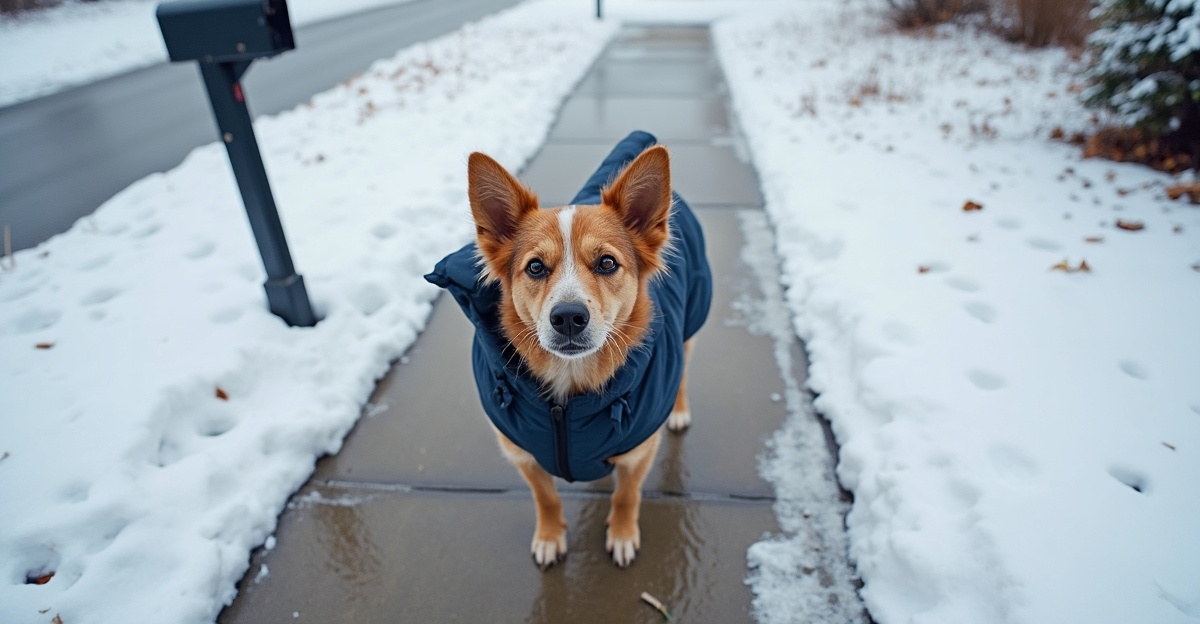
Last January, I watched my neighbor’s greyhound refuse to step outside when the temperature hit 20°F. She stood at the door, looked at the snow, and walked back to the couch. Not all dogs are built for winter — short-haired breeds, small dogs, senior dogs, and puppies lose body heat fast. A properly fitted winter coat isn’t a fashion statement; it’s a genuine health necessity for millions of dogs.
We tested six coats through a Minnesota winter with dogs ranging from a 12-pound Dachshund to an 85-pound Pit Bull mix. Here’s what actually kept them warm.
What Makes a Good Dog Winter Coat
- Insulation type: Fleece-lined coats work for moderate cold (30-45°F). Below freezing, look for quilted or synthetic-fill insulation.
- Water resistance: Snow and sleet soak through basic fabric fast. A DWR (durable water repellent) outer layer keeps the insulation dry and functional.
- Fit and mobility: The coat should cover the chest and belly without restricting leg movement. Leash holes on the back are essential.
- Reflective elements: Winter means shorter days. Reflective strips or piping help drivers see your dog during evening walks.
Top 6 Dog Winter Coats
1. Hurtta Extreme Warmer — Best Overall
Finnish-designed for actual Nordic winters, the Hurtta Extreme Warmer uses Houndtex laminate (waterproof, windproof, breathable) over high-loft insulation. It covers from neck to tail base, wraps under the belly, and has an adjustable rear hem. Our test dog — an 85-pound Pit Bull mix — stayed dry and warm during a 45-minute walk at 5°F with wind chill.
The back features a 3M reflective pattern and a built-in harness opening. The fit takes some adjustment with the multiple Velcro points, but once dialed in, it stays put even during off-leash play.
| Pros | Cons |
|---|---|
| Rated for sub-zero temps | Most expensive option ($80-100) |
| Full waterproof + windproof | Takes practice to fit correctly |
| Excellent belly coverage | Limited color choices |
| 3M reflective for safety | Runs slightly small — size up |
2. Ruffwear Quinzee Insulated Jacket — Best for Active Dogs
Built for dogs who hike, run, and play hard in cold weather. Ruffwear’s synthetic Heatseeker insulation compresses without losing warmth, and the stretchy side panels allow full range of motion. The jacket packs into its own chest pocket — great for backcountry trips where conditions change fast.
3. Kurgo Loft Reversible Dog Jacket — Best Value
At $25-35, the Kurgo Loft offers ripstop polyester on one side and soft fleece on the other. Flip it based on conditions. The lightweight PrimaLoft insulation handles temperatures down to about 25°F. It’s not the warmest option here, but for moderate climates and quick walks, it’s an outstanding deal.
4. Canada Pooch Everest Explorer — Best for Extreme Cold
Named appropriately, the Everest Explorer features 300g insulation, a waterproof shell, and a high collar that protects the neck. It rated highest in our sub-zero tests and comes in sizes from XS through 6XL, making it one of the few coats that fits giant breeds properly.
5. Gooby Fleece Vest — Best for Small Dogs
Sometimes a small dog just needs an extra layer for indoor warmth or mild winter days. Gooby’s fleece vest pulls over the head (no fussy zippers or Velcro), weighs almost nothing, and comes in a huge range of colors. It’s become the go-to “house coat” for our test Dachshund who shivers when the thermostat drops below 68°F.
6. WeatherBeeta ComFiTec Premier — Best Waterproof
WeatherBeeta comes from the equestrian world, where they’ve been making waterproof horse blankets for decades. Their dog coat uses the same RepelShell outer fabric with 220g polyfill. In our rain and sleet tests, it was the only coat where the inner fleece lining stayed bone dry after 30 minutes of exposure.
Comparison Table
| Coat | Best For | Temp Rating | Waterproof | Sizes | Price |
|---|---|---|---|---|---|
| Hurtta Extreme | Overall | -22°F | Yes | 8-32″ | $$$$ |
| Ruffwear Quinzee | Active dogs | 15°F | Water-resistant | XXS-XL | $$$ |
| Kurgo Loft | Value | 25°F | Water-resistant | XS-XL | $$ |
| Canada Pooch | Extreme cold | -30°F | Yes | XS-6XL | $$$$ |
| Gooby Fleece | Small dogs | 40°F+ | No | XS-2XL | $ |
| WeatherBeeta | Waterproof | 20°F | Yes | 10-30″ | $$$ |
Dog Winter Coat Fit and Warmth Guide
A winter coat should keep your dog warm without changing how they walk. The most common mistake is buying by breed name instead of measuring the actual dog. Chest depth, back length, neck size, and body shape vary a lot even within the same breed. Measure from the base of the neck to the base of the tail, then measure the widest part of the chest.
| Fit Area | Good Fit | Problem Sign |
|---|---|---|
| Back length | Covers most of the back without hanging over the tail | Coat slides sideways or blocks movement |
| Chest | Secure around the ribcage with room to breathe | Rubbing behind the front legs |
| Neck opening | Warm but not tight at the throat | Coughing, pulling away, or refusing the coat |
| Belly coverage | Protects core without interfering with bathroom breaks | Fabric gets wet or dirty every walk |
Which Dogs Actually Need a Coat?
Small dogs, short-haired breeds, seniors, puppies, lean dogs, and dogs with medical issues usually benefit most from a winter coat. Thick-coated northern breeds may need less help unless conditions are wet, windy, or extremely cold. Wind and moisture matter as much as the number on the thermometer because wet fur loses insulation quickly.
Watch your dog’s behavior. Shivering, lifting paws, slowing down, tucking the tail, or trying to turn back are signs the walk is too cold or the coat is not doing enough. On the other hand, panting, lagging, or trying to escape the coat can mean the jacket is too warm or restrictive.
Insulation vs Waterproofing
Insulated coats are best for dry cold, snow, and short-haired dogs that lose heat fast. Waterproof shells are better for rain, slush, and wet snow. Some coats combine both, but heavier coats can be too much for active dogs that generate heat while running.
If your dog walks calmly around the block, warmth may matter more. If your dog hikes, runs, or plays hard, choose a coat that balances warmth with breathability. A jacket that is perfect for standing in cold air may be too hot for a fast-moving dog after ten minutes.
How to Measure a Dog Winter Coat Correctly
A winter coat should protect your dog without blocking shoulder movement, rubbing the armpits, or covering bathroom areas. Measure back length from the base of the neck to the base of the tail, chest girth at the widest point, and neck circumference where the coat will sit. If your dog is between sizes, choose the size that protects the chest without restricting walking.
Short-haired breeds, seniors, small dogs, and low-body-fat dogs usually need more warmth than thick-coated breeds. But overheating is also possible. If your dog pants heavily, slows down, or tries to remove the coat, the insulation may be too warm for the weather.
| Condition | Coat Priority | Avoid |
|---|---|---|
| Cold and dry | Insulation and chest coverage | Thin fashion coats with no warmth |
| Wet snow or rain | Water-resistant outer shell | Fleece-only coats that soak through |
| Active walks | Flexible shoulder cut | Stiff coats that change gait |
| Low light | Reflective trim and leash opening | Dark coats with no visibility detail |
Best for / Skip if
Best for: short-haired dogs, small breeds, seniors, puppies, and dogs that shiver or lift paws quickly in cold weather. A good coat should make walks calmer, not just look cute in photos.
Skip if: your dog has a dense double coat and stays comfortable in your normal winter conditions. For those dogs, paw protection, drying towels, or shorter walks may matter more than a heavy insulated jacket.
Frequently Asked Questions
What temperature does a dog need a coat?
Most short-haired, small, or lean dogs benefit from a coat below 45°F. Below 32°F, nearly all dogs except heavy-coated breeds (Huskies, Malamutes, Bernese) should wear some form of insulation. Watch your dog’s behavior — shivering, reluctance to walk, and lifting paws are clear cold-stress signals.
How do I measure my dog for a winter coat?
Measure the back length from the base of the neck (where the collar sits) to the base of the tail. Then measure the widest part of the chest behind the front legs. Most brands provide sizing charts — when in doubt, size up rather than down for comfort.
Can dogs overheat in a coat?
Absolutely. Remove the coat once you’re back indoors. During exercise in moderate cold (35-45°F), watch for excessive panting. Active dogs generate significant body heat and may only need a coat during rest stops, not during the run itself.
Pair the right coat with some durable outdoor dog toys and you’ve got a winter setup that’ll keep any pup happy. And if cold weather dampens your dog’s appetite, our puppy food guide covers nutrition basics for growing dogs.
Pet Product Specialist & Veterinary Nutrition Consultant
Sarah has spent over 8 years reviewing pet products and consulting with veterinarians to help pet owners make informed choices. She shares her home with two rescue dogs, a senior cat, and a very opinionated parrot. Her reviews combine hands-on testing with science-backed research.
Disclosure: This post contains affiliate links. If you purchase through our links, we may earn a small commission at no extra cost to you. Learn more.