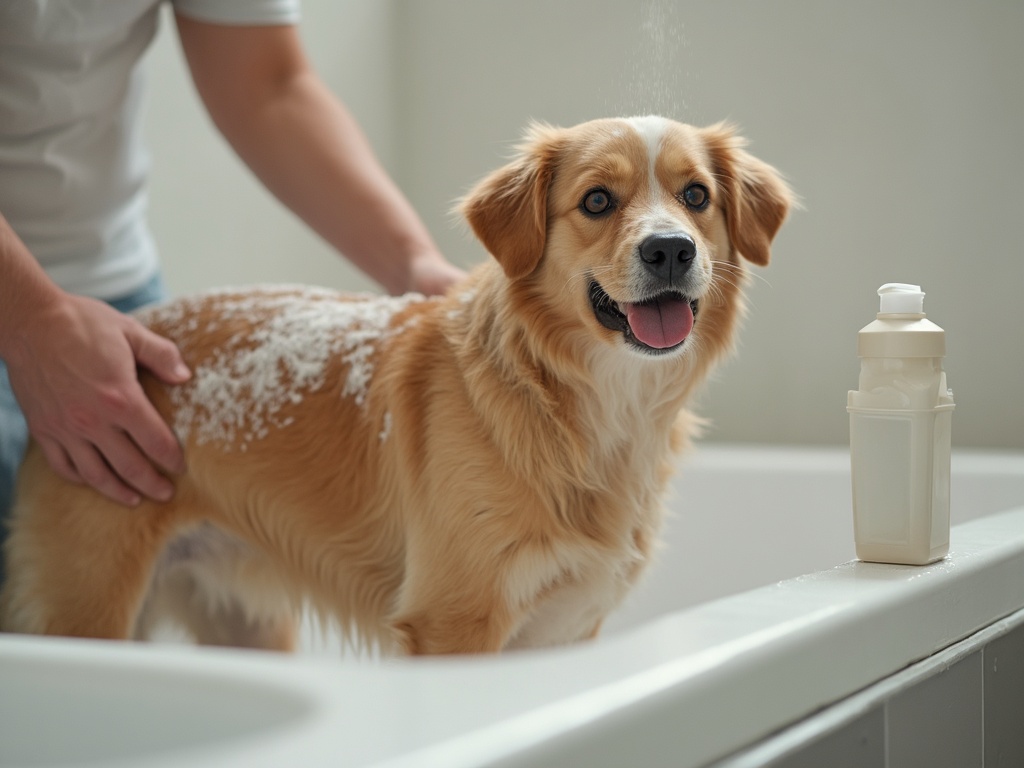
Watching your dog scratch until they bleed is one of the most helpless feelings as a pet owner. Itchy skin (pruritus) affects roughly 1 in 5 dogs, with causes ranging from allergies and dry skin to yeast infections and parasites. The right shampoo can provide immediate relief during baths and, with regular use, reduce the frequency and intensity of itching between baths. We consulted two board-certified veterinary dermatologists and tested six shampoos on dogs with confirmed skin conditions.
Why Your Dog Is Itchy — Common Causes
- Environmental allergies (atopy): Pollen, dust mites, mold. Causes seasonal or year-round itching, usually affecting paws, belly, ears, and face.
- Food allergies: Protein-specific (chicken, beef, dairy are common triggers). Causes itching plus GI symptoms. Requires elimination diet to diagnose.
- Yeast or bacterial infection: Often secondary to allergies. Causes greasy skin, musty smell, and intense itching. Medicated shampoos are a primary treatment.
- Dry skin: Low humidity, over-bathing, or poor diet strips natural oils. Causes flaking and mild generalized itching.
- Parasites: Fleas, mites, and fungal infections like ringworm. Requires specific medical treatment beyond shampoo.
Top 6 Dog Shampoos for Itchy Skin
1. Veterinary Formula Clinical Care Antiseptic & Antifungal — Best Overall
This medicated shampoo contains chlorhexidine (antibacterial) and ketoconazole (antifungal) — the same active ingredients veterinary dermatologists prescribe in compounded formulas. It treats the bacterial and yeast infections that cause most chronic itching in dogs. The formula also contains aloe and lanolin to soothe irritated skin rather than stripping it further.
Our dermatologist consultants specifically recommended this as a first-line shampoo for dogs with recurrent skin infections. Use every 3-5 days during flare-ups, then weekly for maintenance.
| Pros | Cons |
|---|---|
| Treats bacterial AND fungal infections | Medicinal smell |
| Same ingredients as vet prescriptions | Requires 10-min contact time |
| Contains soothing aloe and lanolin | Can dry skin if overused |
| Very affordable for medicated formula | Not for dogs without infections |
2. Zymox Enzymatic Shampoo — Best for Sensitive Skin
Zymox uses a patented enzyme system (LP3) to fight bacteria and yeast without harsh chemicals. No chlorhexidine, no ketoconazole — making it gentler for dogs with extremely sensitive or already-damaged skin. The enzymes work through biological processes rather than chemical killing, which means less drying and irritation. Ideal for dogs who react poorly to medicated shampoos.
3. Burt’s Bees Oatmeal Shampoo — Best Natural/Budget
For dogs with dry, mildly itchy skin without infection, colloidal oatmeal is a proven soother. Burt’s Bees uses honey and oatmeal — both natural anti-inflammatory agents — in a pH-balanced, tear-free formula. No fragrance, dyes, sulfates, or harsh chemicals. At $8-10 for a 16oz bottle, it’s the most affordable daily-use shampoo here and is gentle enough for weekly baths.
4. Douxo S3 CALM Shampoo — Best Vet-Grade for Allergies
Developed by Ceva Animal Health and recommended by veterinary dermatologists for allergic skin disease. The key ingredient, ophytrium, is clinically proven to strengthen the skin barrier, reduce itching, and support the skin’s natural microbiome. This is the shampoo dermatology specialists reach for when dogs have atopic dermatitis (environmental allergies). It’s expensive but genuinely therapeutic.
5. TropiClean Medicated Oatmeal & Tea Tree — Best Anti-Itch Relief
The combination of colloidal oatmeal (soothes), tea tree oil (antimicrobial), and salicylic acid (exfoliant) creates a triple-action formula that addresses itch, infection, and flaking simultaneously. The salicylic acid helps remove crusty skin and scales, which is particularly useful for dogs with seborrhea or dandruff. The scent is pleasant without being overwhelming.
6. Curaseb Antifungal & Antibacterial Shampoo — Best for Hotspots
Curaseb combines chlorhexidine and ketoconazole (like our top pick) with a higher concentration formula designed for acute hotspots and localized infections. The thick, mousse-like consistency stays on target areas longer during the required 10-minute soak time. Veterinary technicians we consulted use this as a spot treatment on severe infections before switching to a gentler maintenance shampoo.
Comparison Table
| Shampoo | Best For | Active Ingredients | Medicated | Price |
|---|---|---|---|---|
| Vet Formula | Overall | Chlorhexidine + ketoconazole | Yes | $$ |
| Zymox | Sensitive skin | LP3 Enzyme | Enzymatic | $$$ |
| Burt’s Bees | Natural/budget | Oatmeal + honey | No | $ |
| Douxo S3 | Allergies | Ophytrium | Therapeutic | $$$$ |
| TropiClean | Anti-itch | Oatmeal + tea tree + salicylic | Mild | $$ |
| Curaseb | Hotspots | Chlorhexidine + ketoconazole | Yes | $$$ |
Match the Shampoo to the Itch Pattern
Itchy skin has different causes, so the best dog shampoo depends on what you are trying to calm. A dry, flaky coat needs a different formula than a dog with hot spots, seasonal allergies, or flea irritation. If the itching is severe, smells yeasty, or keeps coming back after baths, shampoo can help comfort but should not replace a veterinarian’s diagnosis.
| Skin Situation | Look For | Avoid |
|---|---|---|
| Dry, flaky skin | Oatmeal, aloe, gentle moisturizers | Strong fragrance and frequent bathing |
| Allergy-prone dog | Hypoallergenic or fragrance-free formulas | Essential oil-heavy blends |
| Odor plus greasy coat | Vet-guided medicated shampoo | Masking odor with perfume |
| Flea irritation | Soothing wash plus flea control plan | Assuming shampoo solves the infestation |
Bathing Technique Matters
Many itchy dogs get worse because shampoo is left on the skin or baths happen too often. Wet the coat fully, work the shampoo down to the skin, follow the label contact time, and rinse longer than you think you need to. Residue trapped under the coat can trigger more licking and scratching after the bath.
Dry the dog thoroughly, especially in skin folds, under the legs, and around thick coats. Moisture left against the skin can create new irritation. If your dog needs frequent baths, ask your vet how often is safe for that dog’s skin condition instead of guessing.
When to Stop Experimenting
Switching shampoos every week can make the pattern harder to understand. If a gentle formula helps, keep the routine consistent. If itching continues, document where the dog scratches, what food or treats changed, and whether the itching is seasonal. That information is more useful than buying another random bottle.
Itchy Skin Shampoo Safety Checks
A soothing shampoo can help remove allergens, pollen, dirt, and surface irritation, but it should not be treated as a diagnosis. If your dog is chewing paws, losing hair, has open sores, smells yeasty, or scratches all night, the problem may be allergies, infection, parasites, or another medical issue. In those cases, shampoo alone is not enough.
Check the label for contact time, rinse instructions, fragrance level, and whether the formula is made for dogs. Human shampoo can disrupt a dog’s skin barrier. Start with a small area if your dog has sensitive skin, and stop using the product if redness, bumps, or worse itching appears after bathing.
| Itch Pattern | Shampoo Role | Vet Signal |
|---|---|---|
| Seasonal mild itch | Rinse allergens and soothe skin | Itching continues after repeated baths |
| Dry flaky coat | Moisturizing formula may help comfort | Scaling, odor, or patchy hair loss |
| Paw chewing | Can wash off outdoor irritants | Red paws, swelling, or licking until raw |
| Strong odor | May clean surface buildup | Yeasty smell returns quickly |
Frequently Asked Questions
How often should I bathe an itchy dog?
For medicated shampoos: every 3-5 days during active infections, then weekly for maintenance. For soothing oatmeal shampoos: weekly. Avoid bathing more than twice a week with any shampoo — even gentle formulas can strip natural oils with overuse, making skin drier and itchier.
Why does the shampoo need to sit on the skin for 10 minutes?
Medicated ingredients need contact time to penetrate the skin and kill microorganisms. Rinsing immediately washes away the active ingredients before they work. Use this time to gently massage the skin (which also helps distribute the product) and keep your dog occupied with treats or a lick mat suctioned to the tub wall.
Can I use human shampoo on my dog?
No. Human skin pH is 5.5-5.6 (acidic) while dog skin pH is 6.2-7.4 (closer to neutral). Human shampoos disrupt the dog’s acid mantle, leaving skin vulnerable to bacteria, yeast, and dryness. Even “gentle” baby shampoo is formulated for human skin pH. Always use a shampoo specifically made for dogs.
Should I see a vet for my dog’s itching?
Yes, if itching is persistent (lasting more than a week), severe (broken skin, bald patches), or accompanied by ear infections, paw licking, or foul skin odor. These signs usually indicate an underlying condition that shampoo alone won’t resolve. A veterinary dermatologist can perform allergy testing and create a comprehensive treatment plan.
Itchy skin often improves with better nutrition. Our guide to dog food for sensitive stomachs covers formulas with omega fatty acids that support skin health. For a complete care routine, pair proper food with regular grooming — see our puppy food guide for nutrition basics from the start.
Pet Product Specialist & Veterinary Nutrition Consultant
Sarah has spent over 8 years reviewing pet products and consulting with veterinarians to help pet owners make informed choices. She shares her home with two rescue dogs, a senior cat, and a very opinionated parrot. Her reviews combine hands-on testing with science-backed research.
Disclosure: This post contains affiliate links. If you purchase through our links, we may earn a small commission at no extra cost to you. Learn more.