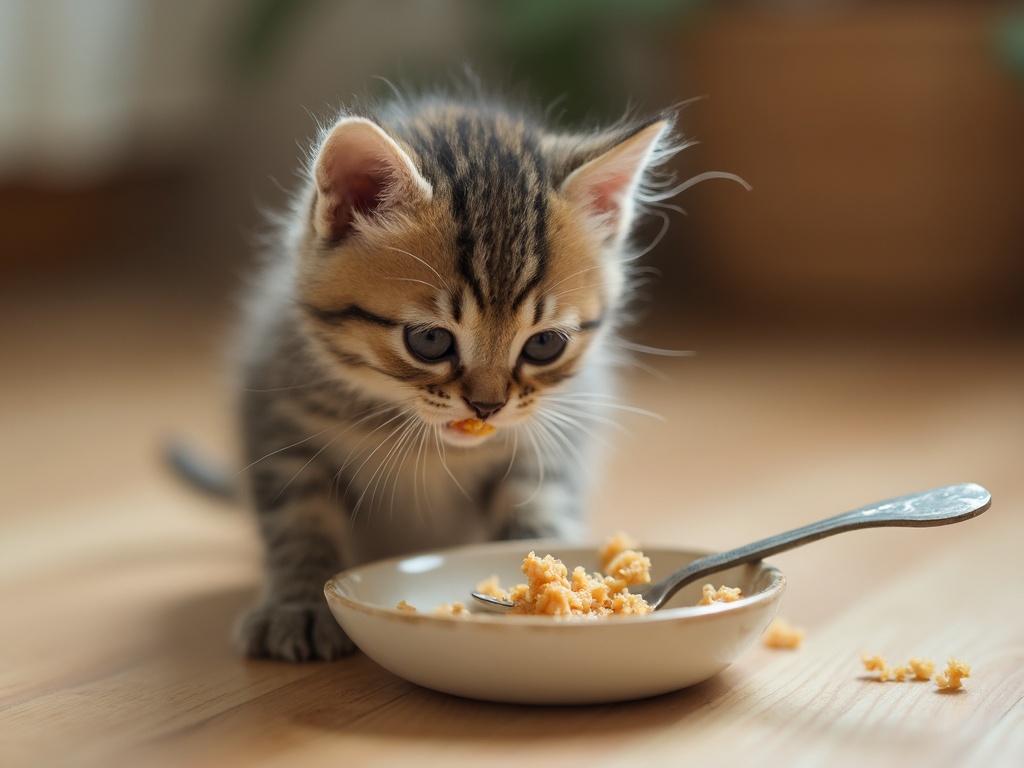
A kitten’s first year is a nutritional marathon. They triple their birth weight in the first three weeks alone, and by six months, they need roughly three times the caloric density of an adult cat per pound of body weight. Wet food earns a particular advantage during this growth phase—the high moisture content supports developing kidneys, the soft texture suits tiny teeth, and the concentrated protein levels fuel the explosive muscle and organ development happening beneath that fluffy exterior.
We tested 12 kitten-specific wet food formulas over eight weeks with a litter of five kittens, monitoring weight gain, stool consistency, coat development, and overall energy. These six earned our recommendation.
What Kittens Need Nutritionally
Kitten food is not just smaller portions of adult food. Growing cats require: minimum 30% protein (ideally 35–45% on a dry-matter basis), higher fat content (15–20%) for energy-dense calories, DHA for brain and vision development, calcium and phosphorus in precise ratios (1.0–1.5:1) for bone growth, and taurine—an essential amino acid cats cannot synthesize that prevents blindness and heart disease.
All formulas below meet or exceed AAFCO nutrient profiles for growth and reproduction.
Quick Comparison: 6 Best Kitten Wet Foods
| Product | Protein (DM) | Texture | DHA Added | Best For |
|---|---|---|---|---|
| Royal Canin Kitten Loaf | 36% | Smooth Loaf | Yes | Overall Best |
| Hill’s Science Diet Kitten | 40% | Minced | Yes | Brain Development |
| Wellness CORE Kitten Paté | 44% | Paté | Yes | High Protein |
| Fancy Feast Kitten Classic Paté | 42% | Classic Paté | No | Budget Pick |
| Blue Buffalo Healthy Growth | 39% | Flaked | Yes | Natural Ingredients |
| Instinct Original Kitten | 43% | Paté | Yes | Grain-Free |
1. Royal Canin Kitten Loaf in Sauce — Best Overall
Royal Canin’s kitten formula sets the standard for growth-phase nutrition. The smooth loaf texture in sauce is specifically engineered for kitten mouths—easy to lap up for young kittens transitioning from milk, yet substantial enough for older kittens who prefer to chew. The formula provides 36% protein on a dry-matter basis with an optimal calcium-to-phosphorus ratio of 1.2:1 for skeletal development.
The DHA content supports brain and vision development during the critical first 12 months, and the highly digestible protein blend minimizes GI upset during the weaning period. Royal Canin’s feeding guide is also notably precise, offering gram-level recommendations by age and weight.
Pros:
- Precisely formulated for growth-phase nutritional demands
- Smooth texture ideal for weaning kittens
- DHA for brain and vision development
- Optimal calcium-to-phosphorus ratio for bones
Cons:
- Contains by-products (though nutritionally complete)
- Premium price per can
- Only one flavor option
Best for: Kittens from weaning (4 weeks) through 12 months. Especially suitable for kittens with sensitive digestion during the transition from milk.
2. Hill’s Science Diet Kitten — Best for Brain Development
Hill’s kitten formula contains clinically tested levels of DHA from fish oil for optimal brain and eye development. The 40% protein on a dry-matter basis is sourced from chicken and provides the amino acid building blocks for rapid tissue growth. Hill’s is one of the few brands that publishes peer-reviewed clinical data supporting their kitten nutrition claims.
Pros:
- Clinically proven DHA levels for cognitive development
- 40% protein supports rapid growth
- Backed by published research
- Minced texture encourages chewing in older kittens
Cons:
- Contains corn starch and pork liver flavor
- Minced texture may be difficult for very young kittens
- Higher price point than grocery brands
Best for: Kittens 8 weeks and older where cognitive development is a priority.
3. Wellness CORE Kitten Paté — Best High-Protein Formula
At 44% protein on a dry-matter basis, Wellness CORE delivers the highest protein concentration on our list. The grain-free formula uses deboned chicken and turkey as primary proteins with added DHA from salmon oil. The paté texture is smooth and creamy—perfect for kittens of all ages.
Pros:
- Highest protein content (44% DM)
- Grain-free with no corn, wheat, or soy
- DHA from natural salmon oil
- Smooth paté texture for all kitten ages
Cons:
- Higher price per ounce
- Rich formula may cause soft stools initially
- Only available in small 3 oz and 5.5 oz cans
Best for: Active, fast-growing kittens that need maximum protein density for muscle development.
4. Fancy Feast Kitten Classic Paté — Best Budget Option
Fancy Feast surprises many pet owners with its nutritional quality at a grocery-store price. The kitten classic paté delivers 42% protein on a dry-matter basis—higher than many premium brands—from poultry and liver sources. While it lacks added DHA and contains by-products, the overall macronutrient profile is genuinely solid for kitten growth.
Pros:
- Exceptional value—often under $0.70 per can
- High protein (42% DM) despite budget pricing
- Highly palatable—rarely refused by kittens
- Available everywhere
Cons:
- No added DHA for brain development
- Contains meat by-products and artificial colors
- Less precise nutritional targeting than premium brands
Best for: Budget-conscious owners with healthy, thriving kittens. Supplement with a DHA omega-3 supplement for brain development benefits.
5. Blue Buffalo Healthy Growth Kitten — Best Natural Ingredients
Blue Buffalo uses real chicken as the first ingredient with no by-product meals, artificial preservatives, or flavors. The flaked texture provides a different eating experience that some kittens prefer over paté, and the formula includes DHA, ARA, and a LifeSource Bits equivalent for targeted vitamin and mineral delivery.
Pros:
- Real chicken, no by-products
- DHA and ARA for growth
- No artificial preservatives or flavors
- Flaked texture variety
Cons:
- Flaked texture can be messy
- Contains carrageenan
- Mid-range pricing
Best for: Owners who prioritize natural ingredients and want a recognizable protein source as the first ingredient.
6. Instinct Original Kitten — Best Grain-Free Option
Instinct’s kitten formula is entirely grain-free with cage-free chicken as the number-one ingredient. At 43% protein on a dry-matter basis, it matches premium competitors while adding a proprietary blend of raw, freeze-dried pieces for enhanced nutrition. The DHA content comes from chicken fat and menhaden fish meal.
Pros:
- Grain-free with cage-free chicken
- High protein (43% DM)
- Raw-boosted with freeze-dried pieces
- No artificial colors, flavors, or preservatives
Cons:
- Most expensive option on our list
- Freeze-dried pieces may confuse some kittens initially
- Only one flavor available
Best for: Owners committed to grain-free feeding who want the added nutritional boost of raw elements. See our best cat food for indoor cats for when your kitten transitions to adult food.
Kitten Feeding Schedule by Age
- 4–8 weeks: Mix wet food with kitten formula to create a gruel. Offer 4–6 small meals daily alongside mother’s milk if available.
- 8–16 weeks: Transition to full wet food (no gruel). Feed 3–4 meals daily, approximately 1/3 to 1/2 can per meal for a 3 oz can.
- 4–6 months: Reduce to 3 meals daily. Kittens are growing rapidly and may eat what seems like an enormous amount.
- 6–12 months: Transition to 2 meals daily. Monitor weight to avoid overfeeding as growth rate slows.
Related kitten feeding guides: For a broader look beyond wet food, use our kitten food guide covering dry and mixed feeding. When your cat ages out of kitten food, compare our wet food picks for adult cats.
Kitten Wet Food Feeding Checks
Kitten wet food should support growth, but it also has to fit the kitten’s age, appetite, and stomach tolerance. Look for a formula labeled for growth or all life stages, then check texture. Very young kittens may do better with soft pate or mousse, while older kittens may handle minced or shredded textures more easily.
Because wet food spoils faster than dry food, meal handling matters. Serve small portions, refrigerate leftovers promptly, and avoid leaving wet food out for hours. If a kitten suddenly stops eating, has repeated diarrhea, vomits, or fails to gain weight, get veterinary advice instead of switching brands repeatedly.
| Kitten Stage | Food Priority | Watch Out For |
|---|---|---|
| Weaning | Very soft texture and frequent small meals | Chunks that are hard to chew |
| Growing fast | Complete kitten formula | Adult maintenance food as the main diet |
| Sensitive stomach | Simple recipe and slow transitions | Changing proteins every few days |
| Picky eating | Texture and aroma acceptance | Letting food sit out too long |
Best for / Skip if
Best for: kittens that need extra moisture, softer texture, or a more appealing meal while still getting complete growth nutrition.
Skip if: the food is labeled for adult maintenance only, your kitten has ongoing digestive problems, or your veterinarian has recommended a specific diet.
Frequently Asked Questions
When should kittens start eating wet food?
Kittens can begin trying wet food around 4 weeks of age, mixed with kitten milk replacer to create a soft gruel. By 6–8 weeks, most kittens can eat wet food on its own. The weaning process should be gradual, allowing kittens to nurse alongside solid food whenever possible.
How much wet food should I feed my kitten daily?
Most kittens need approximately 200–250 calories per day at peak growth (around 4–6 months). Check the calorie content on the can and divide into 3–4 meals. A typical 3 oz can of kitten food contains 80–100 calories, so most growing kittens need 2–3 cans daily at peak growth.
Can I mix wet and dry kitten food?
Yes, and many veterinarians recommend it. Wet food provides hydration and high protein, while dry food offers dental benefits and feeding convenience. Ensure both are formulated for kittens (not adult cats) and adjust total portions so you are not overfeeding.
When should I switch from kitten food to adult cat food?
Most cats should transition to adult food between 10 and 12 months of age. Large breeds like Maine Coons may benefit from kitten food until 15–18 months. Transition gradually over 7–10 days to prevent digestive upset.
Our Top Pick
Royal Canin Kitten Loaf takes our top spot for its precise growth-phase formulation and universally accepted texture. For maximum protein density, Wellness CORE Kitten Paté is unmatched at 44% protein. And budget-conscious owners should not overlook Fancy Feast Kitten Classic Paté—its macronutrient profile genuinely competes with premium brands at a fraction of the price. Keep fresh water available with our recommended best cat water fountains.
Disclosure: This post contains affiliate links. If you purchase through our links, we may earn a small commission at no extra cost to you. Learn more.
Dr. Emily Carter is a veterinary nutritionist with 12+ years of experience specializing in pet dietary health. Based in Portland, OR, she shares her home with three rescue dogs and two cats. Emily has guided thousands of pet owners toward better nutrition choices and healthier, happier animals.